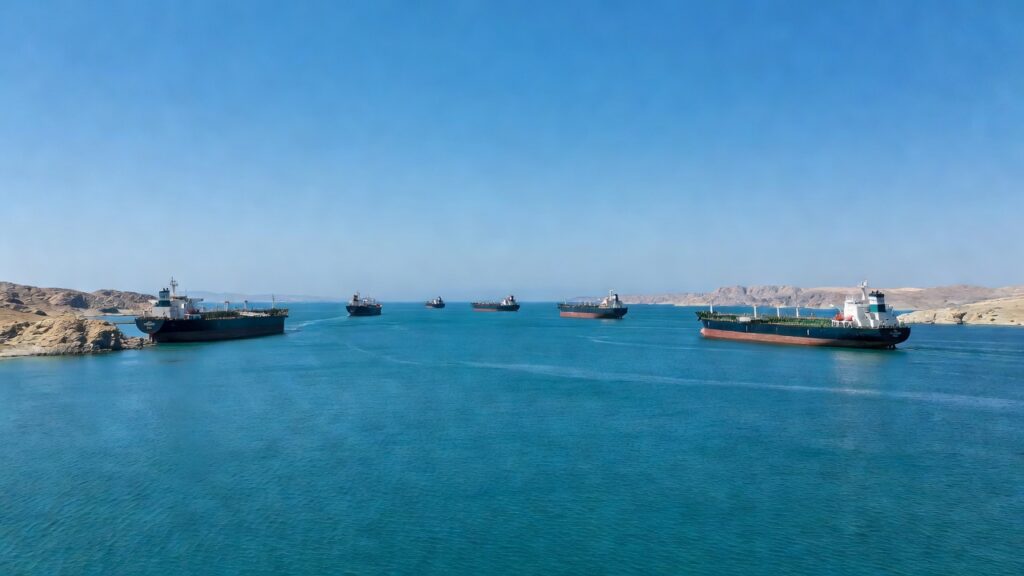
Kuwait’s Cabinet on Wednesday welcomed a framework agreement between the United States and Iran to end their conflict, expressing hopes it would promote lasting peace and stability in the region while ensuring the immediate halt of military operations and free navigation in the Strait of Hormuz. The weekly session chaired by Acting Prime Minister and Interior Minister Sheikh Fahad Yousef Saud Al-Sabah acknowledged mediation efforts by Pakistan and Qatar ahead of the deal’s signing ceremony scheduled for Friday in Geneva. Officials highlighted mutual respect non-interference in internal affairs and avoidance of force as essential for broader security according to a summary of the meeting.
The Cabinet reviewed a telephone conversation between His Highness the Amir Sheikh Meshal Al-Ahmad Al-Jaber Al-Sabah and Britain’s King Charles III in which the monarch deplored Iranian attacks against Kuwait and reaffirmed the United Kingdom’s firm support for Kuwaiti security. The Amir appreciated the communication as a reflection of the historic bilateral relationship between the two countries. Discussions also addressed a letter from Armenian President Vahagn Khachaturyan inviting the Amir to attend the UN Biodiversity Conference known as COP 17 in Yerevan from October 19 to 30.
His Highness the Amir separately spoke with US President Donald Trump following the announcement of the framework pact which the Amir described as a potential path to resolving differences between Washington and Tehran. The Amir thanked Trump for diplomatic initiatives and voiced hope that expanded dialogue along with peaceful approaches would resolve remaining conflicts across the region. The Cabinet noted these exchanges as part of ongoing international efforts to achieve stability.
Foreign Minister Sheikh Jarrah Al-Sabah briefed participants on the 167th Gulf Cooperation Council Ministerial Council meeting in Manama where member states condemned Iran’s recent attacks on Kuwait Bahrain and Jordan as a significant threat to Gulf security. The ministerial gathering underscored the need for unified positions to protect regional stability. Sheikh Jarrah Al-Sabah also reported on a separate session with GCC foreign ministers and Canadian counterpart Anita Anand that focused on enhancing cooperation in trade energy food security and logistics.
The foreign minister further detailed phone calls with counterparts from multiple friendly countries all of whom welcomed the US-Iran framework agreement and the reopening of the Strait of Hormuz to safe maritime traffic. US Energy Information Administration data from 2024 indicates the strait carried an average of 20 million barrels per day equivalent to roughly 20 percent of global petroleum liquids consumption underscoring its strategic importance. Analyses from the Middle East Council on Global Affairs have noted Kuwait’s historical preference for diplomatic balancing in its approach to Iran even amid tensions.
Given prevailing regional conditions and associated safety measures implemented in Kuwait the Cabinet stated it would continue holding regular meetings to monitor developments. The sessions aim to track impacts on both Kuwaiti nationals and the expatriate population which constitutes a substantial portion of residents. This approach aligns with the government’s focus on timely responses to shifts that could affect national and regional security.