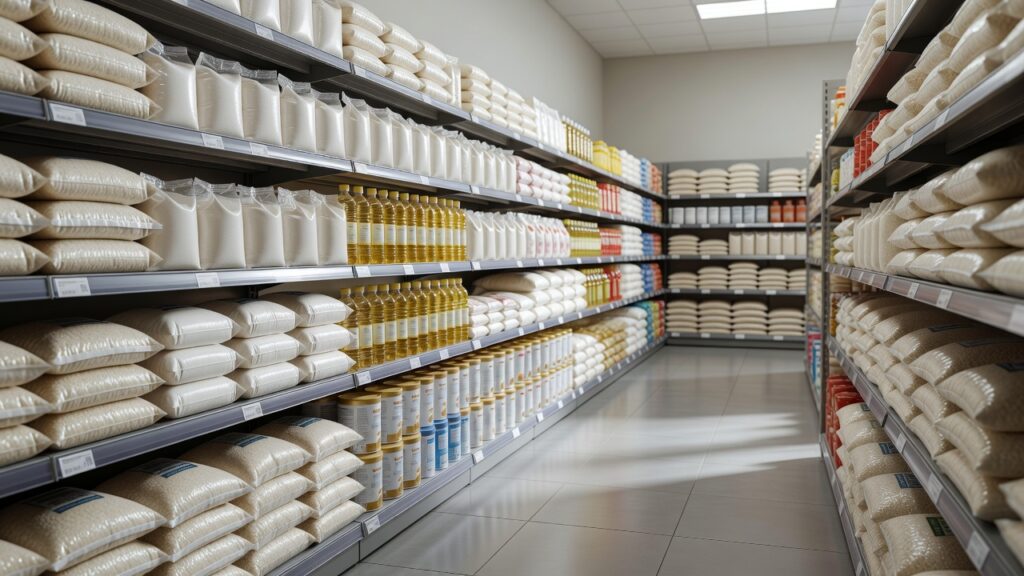
The Ministry of Commerce and Industry spent KD 309.43 million on food subsidies during the first 11 months of 2025, reflecting a 7.7 percent decrease from the comparable period a year earlier. Ministry figures show the decline occurred even as authorities maintained a comprehensive program that delivers 116 subsidized and discounted food commodities to eligible citizens. The ministry additionally oversees 11 supply services that encompass issuance of new ration cards, updates to existing ones and adjustments to beneficiary records, all designed to streamline access to essential support. These operations form part of ongoing efforts to shield households from fluctuations in market prices.
A dedicated budget line of KD 244.713 million has been assigned under the heading of reducing the cost of living within ministerial expenditures for the 2026-2027 fiscal year, according to the ministry. This allocation arrives against a backdrop in which the subsidy framework continues to function as a primary buffer for Kuwaiti families. The ministry’s data places the emphasis on sustaining commodity reserves and ensuring consistent availability of staples, measures that have been refined over multiple budget cycles.
Numbeo data from its 2026 Cost of Living Index ranks Kuwait as the most affordable Gulf country for daily expenses excluding rent, with an index score of 42.5 when benchmarked against New York City. The index estimates monthly costs for a family of four at KD 901 and for a single person at KD 239, figures that underscore the relative stability of basic expenses in the country. Kuwait’s overall cost of living stands 38.5 percent below that of the United States, a position the ministry’s subsidy initiatives have helped reinforce by limiting exposure to imported food price volatility.
Ministry records indicate the subsidy network now reaches approximately 2.3 million beneficiaries, an expansion that coincided with heightened demand during the early months of 2026. The program focuses on core items such as rice, sugar, flour, cooking oil and infant formula, categories that account for a substantial share of household consumption. Officials have adjusted eligibility criteria periodically to align coverage with demographic shifts and economic conditions prevailing in the domestic market.
In parallel with direct subsidies, the Ministry of Commerce and Industry has pursued regulatory steps to curb price gouging on essential goods, including a 2026 resolution that allows the ministry to cover additional import costs triggered by regional supply disruptions. These interventions complement the subsidy outlays by addressing both the supply side and consumer prices at the point of sale. The combined approach has enabled the government to maintain support levels without a corresponding rise in overall subsidy expenditure for the preceding year.
The ministry continues to publish regular updates on its portal detailing service procedures and commodity lists, providing citizens with transparent access to program information. Such disclosures include guidance on how to modify beneficiary data or obtain replacement ration cards through designated centers. These digital and physical channels have reduced administrative delays and improved the efficiency of subsidy distribution across Kuwait’s resident population.