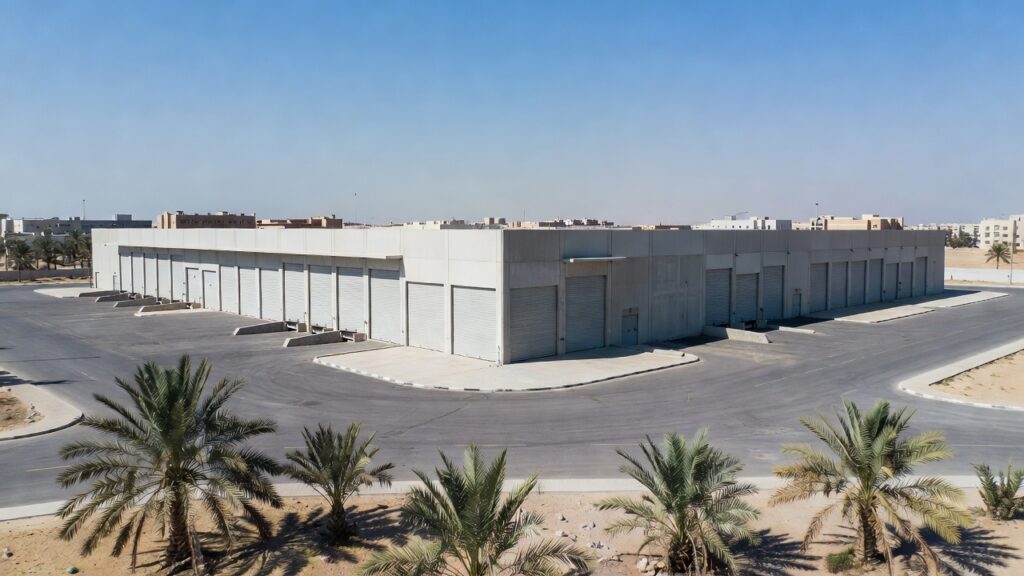
The ministry’s supervisory teams acted on surveillance information when they entered the facility and found staff replacing original markings on cosmetic products and medical creams with falsified details about the items and their validity periods. Officials determined that the goods lacked required licensing for distribution within Kuwait and that the modifications violated consumer protection standards. The inspection falls under Article 2, Paragraph 2, of Law No. 20 of 2019, the Unified GCC Law on Combating Commercial Fraud, according to the ministry.
A formal violation report was registered against those responsible and legal measures have been launched to pursue accountability through the courts. The ministry’s Commercial Control Department coordinated the raid as part of routine enforcement rounds across commercial zones in the governorate. Teams removed all the implicated materials from the site immediately upon confirmation of the breaches.
Faisal Al-Ansari, director of the Commercial Control Department at the Ministry of Commerce and Industry, described similar July operations that netted 3,800 counterfeit clothing and footwear items from two warehouses following extended monitoring. Those actions led to the swift closure of the storage sites and the registration of multiple fraud cases. The pattern of repeated seizures underscores the scale of enforcement the ministry has sustained throughout the year.
The 2019 law established uniform rules across GCC countries to address product falsification, including false origin claims, quality misrepresentations and altered expiration information. Kuwait incorporated the legislation to replace fragmented national rules with consistent penalties and inspection powers. Regulators have cited the framework as central to dozens of campaigns conducted since its adoption.
A June 2024 ministry raid in Farwaniya uncovered counterfeit goods valued at more than KD 10 million in a single warehouse, according to ministry figures published at the time. That operation formed part of a wider push that has closed numerous unlicensed facilities over the past two years. Data from the ministry shows hundreds of thousands of counterfeit stickers and printing equipment confiscated across multiple governorates in that period.
The latest case highlights ongoing challenges with illicit label modification in storage locations around the capital. Ministry protocols now emphasize cross-checking licensing documents against physical products during every inspection. Officials have processed the seized materials according to established procedures for handling fraudulent goods.