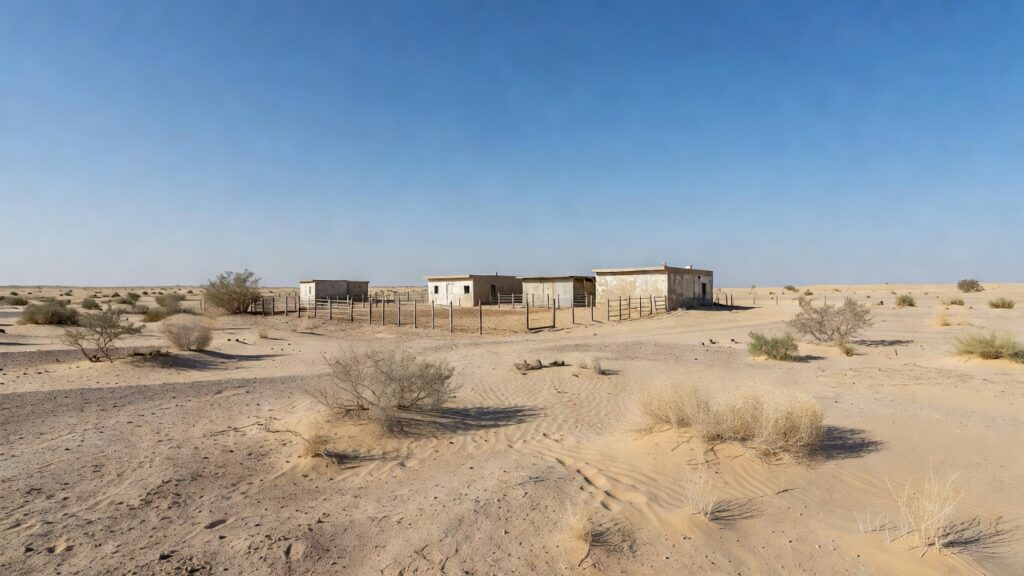
The Ministry of Interior reported that security personnel acted on specific intelligence to raid the Kabd farm where the five individuals had established operations to manufacture prohibited substances. Officers seized raw materials, pressing machinery, scales and packaging tools during the search of the premises, according to the ministry’s account of the raid. The suspects resisted initial attempts to apprehend them but were subdued without further incident and referred to prosecutors along with all confiscated items for legal proceedings.
A series of similar actions have taken place in the Kabd region over the past year, the Ministry of Interior figures show. One operation in June 2026 dismantled a Captagon production site at another Kabd location where two stateless persons were detained and roughly 100,000 finished tablets plus five kilograms of powder were recovered with an estimated street value above KD 500,000. The ministry data places that seizure among the larger single hauls recorded in the livestock and desert zones south of Kuwait City.
Earlier raids documented by the Ministry of Interior targeted an alcohol manufacturing facility inside a Kabd rest house in January 2026. That action yielded bottling equipment, labels mimicking commercial brands and hundreds of filled containers ready for distribution across the country. The individuals operating the site were transferred to the appropriate judicial bodies following the coordinated operation involving the Public Morals Protection Department.
Separate enforcement activity in the same vicinity in May 2026 focused on three unlicensed slaughterhouses run inside livestock pens, the Ministry of Interior stated. Ten expatriate workers from India and Bangladesh were detained in that sweep after investigators confirmed the facilities were being used for activities outside their registered agricultural purpose. Public health regulators participated in the follow-up inspections that accompanied the arrests.
The pattern of repeated interventions in Kabd reflects sustained monitoring by the Directorate General for Drug Control and allied units within the Ministry of Interior. Intelligence gathering has repeatedly identified repurposed farms and desert holdings as venues for evading licensing requirements on chemical handling and commercial production. All cases originating from these sites have been forwarded to specialized narcotics and public health courts for adjudication.
Kuwait’s Central Statistical Bureau data from prior years places drug-related seizures in the governorates surrounding the capital at several hundred cases annually, though exact breakdowns for Kabd alone are not published separately. The Ministry of Interior has expanded the use of rapid-response teams in these outlying areas to address both narcotics production and ancillary violations such as unlicensed food processing that can intersect with public safety concerns.