Kuwait’s Prime Minister Sheikh Ahmad Al-Abdullah Al-Ahmad Al-Sabah attended the COP31 leaders summit in Antalya on behalf of the Amir and outlined plans to raise emissions reduction targets with measurable goals, specific projects and clear methodologies for calculating cuts, according to his statement issued upon arrival in Turkey. The Prime Minister, who arrived on November 10, 2026, stressed that government agencies continue to coordinate the integration of climate commitments into the country’s development projects to ensure effective implementation. His Highness described the approach as part of an institutional framework that translates international pledges into practical national programs across multiple sectors.
The Supreme Committee for Climate Change reviewed Kuwait’s proposed negotiating position for COP31 and a draft of the third nationally determined contribution setting targets for 2025 to 2035 during its meeting in October 2026, the committee reported. Minister of State for Development and Sustainability Affairs Dr Reem Al-Fulaij, who chaired the session, told KUNA that the updated document would rely on verifiable targets and projects to improve monitoring and turn commitments into concrete actions. Preparations for the conference, which runs from November 9 to 20 in the Turkish resort city, focused on aligning Kuwait’s stance with national priorities under the UNFCCC, Kyoto Protocol and Paris Agreement.
The Prime Minister separately affirmed Kuwait’s support for circular carbon economy initiatives that offer a structured way to address emissions in every economic sector, his Antalya statement indicated. This pledge aligns with the Low Carbon Strategy 2050 that the Environment Public Authority launched in November 2023 with support from the United Nations Environment Programme. The strategy forms the basis for long-term planning that coordinates across agencies to meet climate objectives while advancing sustainable development.
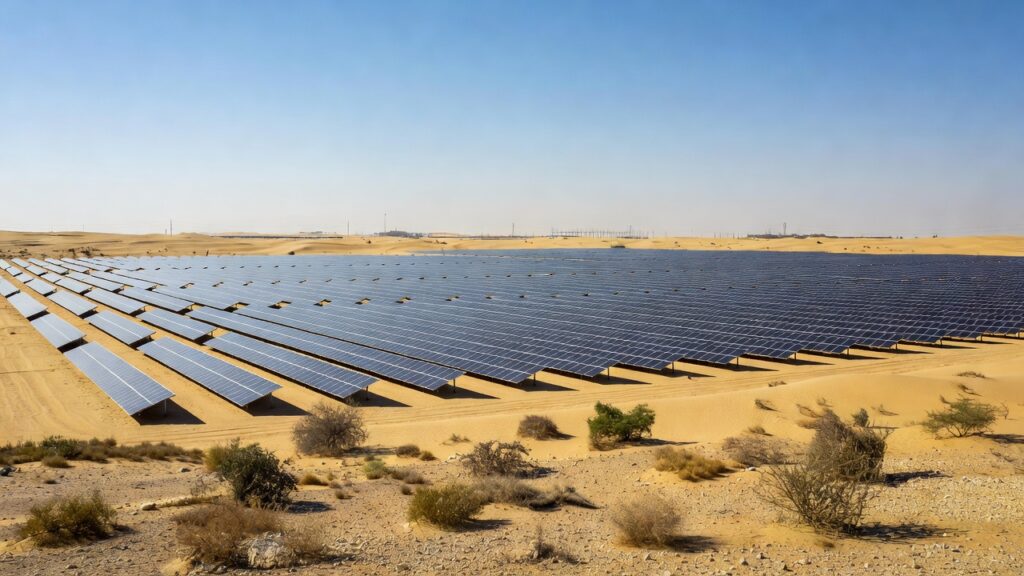
Kuwait aims to achieve carbon neutrality by 2060 and has targeted a 50 percent share of renewable energy in its mix by 2050, according to data from the Environment Public Authority. The Al-Shaqaya Renewable Energy Project, managed through a public-private partnership, includes two phases with respective capacities of 1,100 megawatts and 500 megawatts as part of efforts to diversify away from fossil fuels. These programs address both mitigation needs and the country’s vulnerability to rising temperatures and water scarcity in the Gulf region.
Kuwait ratified the United Nations Framework Convention on Climate Change in 1995 and the Kyoto Protocol in 2005, after which it has maintained consistent participation in successive COP meetings, UNFCCC records show. During the 2022 Middle East Green Initiative Summit in Egypt, the country endorsed regional cooperation outcomes aimed at enhancing climate resilience across the area. The current updates to its nationally determined contribution build on that foundation by emphasizing measurable progress and institutional coordination.
Dr Al-Fulaij described the completion of the third national communication and first transparency report under the Paris Agreement as important steps that strengthen Kuwait’s climate framework, she stated in remarks connected to the committee’s work. Officials have also evaluated the readiness of various government bodies to execute the low-carbon development roadmap toward the 2060 neutrality goal. Training for approximately 100 participants in climate negotiations has further supported the country’s active role at COP31 and beyond.