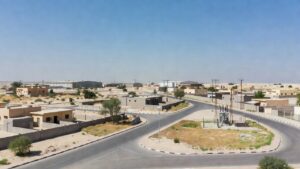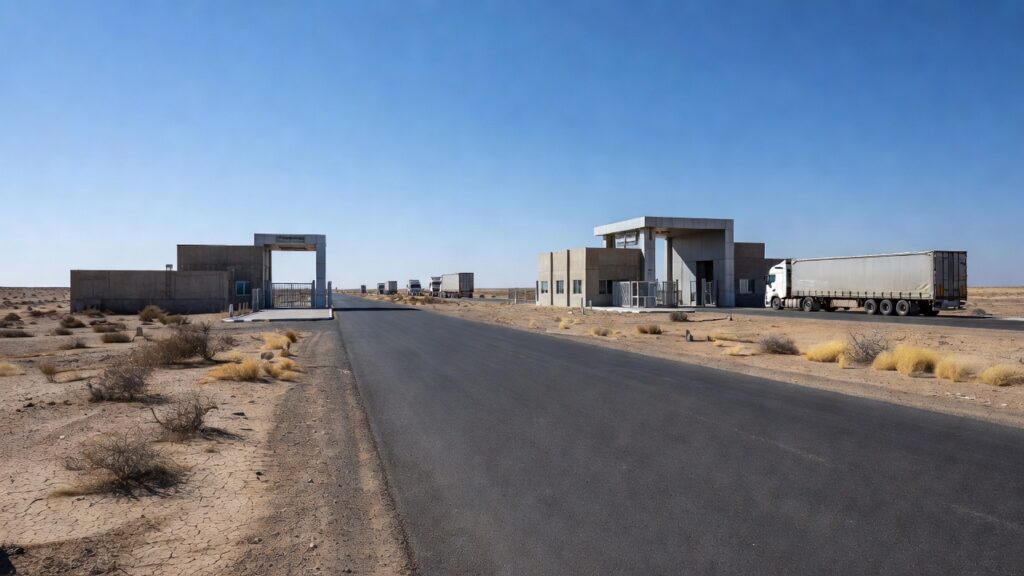
The General Administration of Customs reported that its teams at the Sulaibiya Customs Department and the Vegetable Market Customs Office at Shabra Al-Khodra uncovered the concealed subsidized ration supplies in multiple trucks bound for Egypt during standard checks. Officers seized the entire load of assorted food products after determining that the shipment violated export regulations on government-supported commodities. The authority referred those involved to the competent authorities for legal action as part of its enforcement procedures.
According to the General Administration of Customs the discovery formed part of ongoing inspections aimed at preventing the outflow of items provided under the domestic ration program. The trucks had been prepared with the goods hidden among other cargo to avoid detection on the export route. No further details on the individuals or exact concealment methods were released in the authority’s account of the operation.
The Ministry of Commerce reported that government spending on food subsidies for essential commodities reached KD 125.9 million in the first ten months of 2025. Data from the ministry placed the total number of ration cards at 274,190 by the end of November that year while the number of beneficiaries stood at approximately 2.32 million. These figures reflected increases of 2.26 percent in cards and 3.5 percent in beneficiaries compared with the prior year.
A Cabinet decision issued in November 2025 restricted provision of the subsidized supplies exclusively to eligible Kuwaiti citizens according to the Ministry of Commerce. The ministry projected that the limitation would deliver annual savings of around KD 50 million to the public treasury by reducing misuse and unnecessary distribution. Implementation of the policy forms one element in a wider review of consumption quantities subsidy values and strategic reserves.
The General Administration of Customs has documented several comparable interceptions in recent months as part of its border oversight activities. Such cases typically result in full confiscation of the diverted goods along with prosecution of the parties involved under customs legislation. The latest seizure underscores the scale of subsidized food flows that the authorities continue to monitor at key departure points.