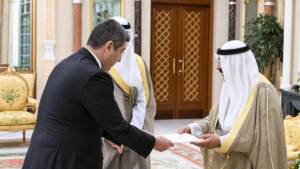
The Kuwait Cabinet, chaired by Prime Minister Sheikh Ahmad Al-Abdullah Al-Sabah, approved a draft decree-law reorganizing the judiciary through updated rules on the selection, appointment and promotion of judges. The legislation strengthens the Supreme Judicial Council by expanding its powers and regulatory framework while introducing improved systems for judicial inspection, accountability and disciplinary procedures. It further develops the Public Prosecution’s role to include monitoring of detention facilities, seeks to unify principles applied by the Court of Cassation for greater consistency across rulings and incorporates electronic trials along with associated digital procedures.
A second decree-law creates economic courts to accelerate resolution of commercial and financial disputes while upholding due process and litigants’ rights. These tribunals will deploy specialized judges supported by technical experts and feature a dedicated execution judge to enforce decisions efficiently. Procedures include shortened deadlines for preparation and hearings, electronic notification and document exchange systems as well as remote litigation options, the Cabinet decision stated.
Amendments to the Kuwaiti Nationality Law bar naturalized citizens from voting rights, candidacy for elected positions or appointment to parliamentary bodies. The revisions authorize issuance of electronic nationality certificates possessing identical legal validity to paper versions and establish revocation procedures when evidence shows intentional provision of false information during the original grant for the citizen or descendants. The changes were developed after consultations with competent authorities to maintain the accuracy and integrity of citizenship documentation.
All three draft decree-laws were submitted to Amir Sheikh Meshal Al-Ahmad Al-Jaber Al-Sabah for his review and promulgation in accordance with constitutional requirements. The nationality adjustments continue a sequence of executive measures that began with decrees in late 2024, a development examined in a February 2026 analysis from the European University Institute’s Robert Schuman Centre for Advanced Studies.
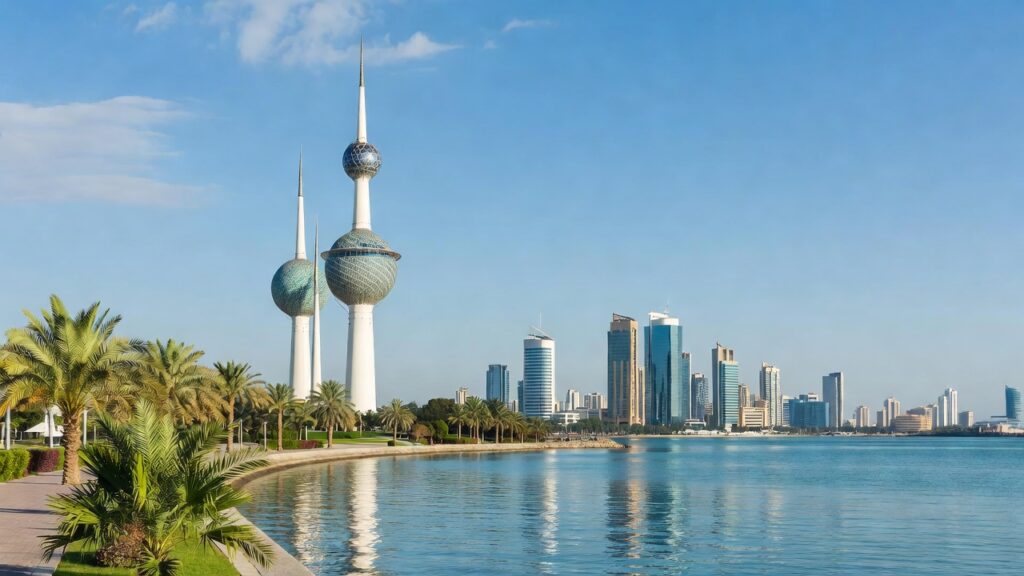
During the same session the Cabinet reviewed progress on the third phase of Martyr’s Park, slated to open on October 1, 2026 across roughly 243,000 square metres that include 203,000 square metres of built facilities and 190,000 square metres of green space. The project will incorporate a theater, cinema, cultural hall, sports club, cafes, retail shops, a maritime museum, ice rink, snow park, go-kart track, zip line, mosque, interactive games areas, fountains, ample parking and a carnival zone. Such initiatives form part of sustained public-sector investment in community infrastructure and leisure facilities.
A separate 2026 country assessment placed the number of citizenship revocations at approximately 10,000 between 2011 and September 2024, with a sharp rise recorded in the final months of that year amid intensified registry reviews. The latest amendments incorporate advanced verification methods including DNA and biometrics to resolve disputed cases while centralizing oversight, that assessment indicated.