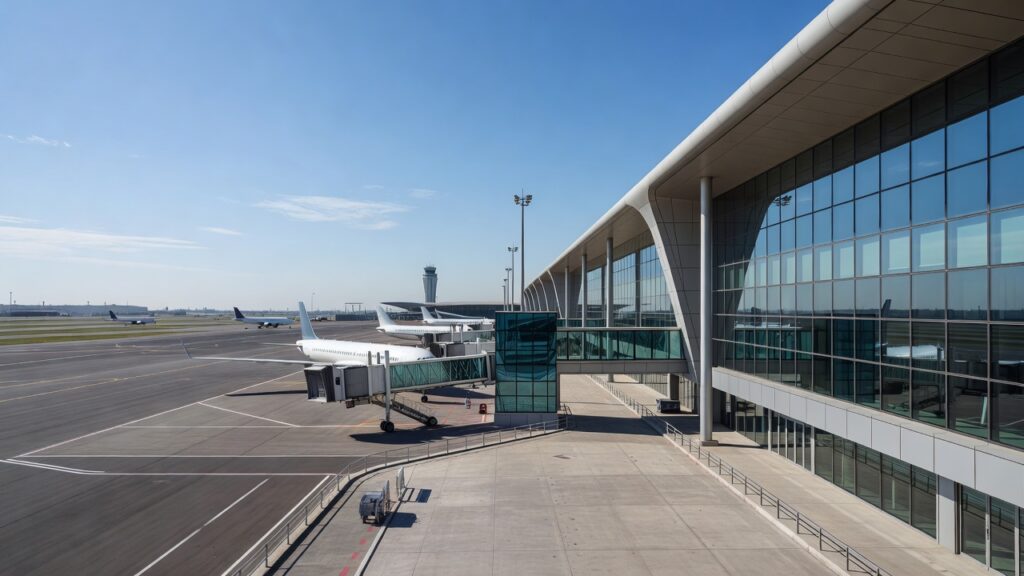
Inspectors from the General Administration of Customs at Terminal 5 of Kuwait International Airport uncovered 4,255 Captagon pills in the baggage of a passenger bound for Syria on a Jazeera Airways flight, according to an official statement issued Thursday. The contraband was hidden inside three boxes that had been mixed in with personal belongings, with scanning equipment alerting the team to the anomaly during a standard check. Officials prepared the necessary seizure documentation and referred the passenger along with the drugs to the General Department for Drug Control, where investigators will pursue the case and determine appropriate legal steps.
The discovery adds to narcotics interceptions at Kuwait’s air facilities, where authorities have increased surveillance on routes connected to known source countries. Captagon has emerged as one of the most commonly seized substances in such operations, often originating from production centers in Syria amid that country’s economic challenges. A New Lines Institute for Strategy and Policy assessment from 2022 placed the potential retail value of the Captagon trade at over 5.7 billion dollars for 2021 based on global seizure data.
The institute has tracked how production and trafficking patterns have changed in subsequent years, noting in a 2025 briefing that Kuwait itself saw the emergence of domestic manufacturing labs starting in 2024. Three such sites were reportedly dismantled that year as part of intensified enforcement, the assessment found. This local production trend has complicated border-focused strategies and required a more comprehensive response from agencies including the General Administration of Customs.
Routine use of technology at terminals like the one operated by Jazeera Airways has proven effective in flagging suspicious cargo and luggage. In this instance, the system enabled a targeted inspection that avoided broader disruption to airport activities. The General Administration of Customs coordinates closely with drug control specialists to ensure seized materials are analyzed and smuggling methods are studied for future prevention.
The scale of individual hauls can vary widely, from small numbers of pills to multi-million tablet consignments transported in cargo shipments. In one 2022 case, Kuwait police seized containers holding 5 million Captagon pills with an estimated street value of 8 million dinars, according to a Kuwait Times report on the operation. These examples illustrate how traffickers continue to test different methods to reach markets in the Gulf.