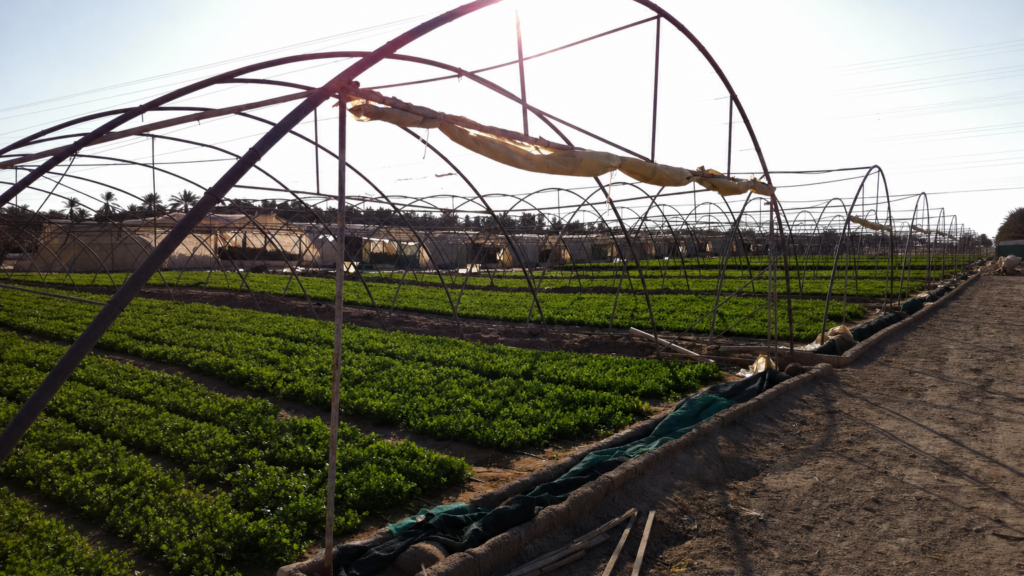
The Public Authority for Agriculture Affairs and Fish Resources reported that while water-logging has damaged select crops, the majority of farmers achieved solid production results amid the challenges. The authority’s review of current conditions in key areas such as Wafra highlighted effective countermeasures that limited broader losses. Officials noted ongoing efforts to improve water management practices across the agricultural sector.
Data from the authority indicates that total farm output has remained stable compared with recent years even as certain low-lying fields suffered from elevated water tables. Farmers adapted by adjusting planting schedules and crop selections to better suit the prevailing conditions. This resilience comes as the sector faces multiple environmental pressures in the arid climate.
A 2017 study published in the Sustainability journal attributed water-logging in Kuwait’s arid agriculture areas primarily to improper groundwater management and over-irrigation. The research found that these practices, combined with unsealed wells drawing from the Dammam aquifer, caused about 18.7 percent of the Wafra agricultural area to become waterlogged by 2008. The Public Authority for Agriculture Affairs and Fish Resources responded by identifying and sealing more than 650 illegal wells to help lower the water table.
Local farmers have implemented improved drainage systems and selected more tolerant crop varieties in response to the persistent issue. The authority has supported such adaptations through guidance on best irrigation practices to reduce excess water application. These steps have allowed many operations to maintain productivity despite the environmental constraints.
Central Statistical Bureau figures place agriculture’s share of Kuwait’s gross domestic product at roughly 0.24 percent, emphasizing the need to protect output for food security purposes. A separate assessment by the World Bank has pointed to water scarcity and land degradation as key obstacles for Gulf agriculture. The authority continues to monitor conditions to prevent further deterioration in affected zones.
Historical interventions by the Public Authority for Agriculture Affairs and Fish Resources have focused on regulating extraction from the Kuwait Group aquifer while addressing salinization risks. The combined use of policy measures and farmer training has shown measurable improvements in recent seasons. Sustained attention to these factors remains essential for the long-term viability of local farming.