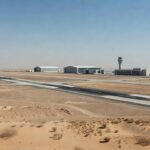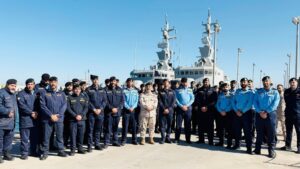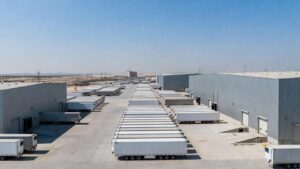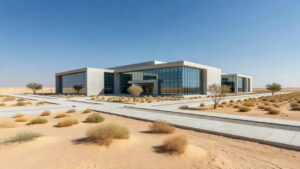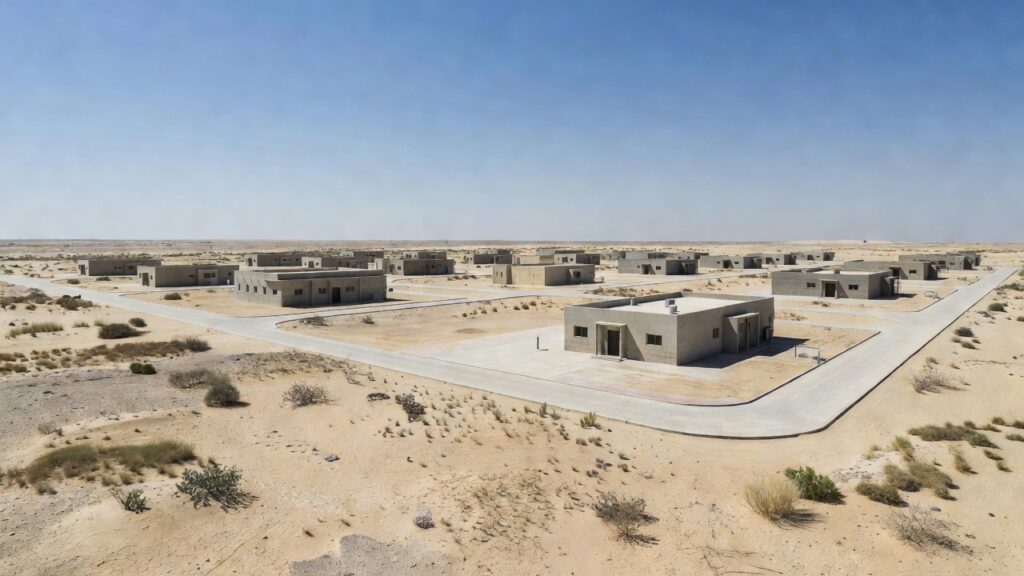
The Kuwait National Guard said in a statement that Sheikh Faisal Nawaf Al-Ahmad Al-Sabah toured Al-Tahrir Camp where he received detailed briefings on the current state of readiness across multiple units. He inspected training facilities and equipment while commending personnel for their discipline and high standards of performance. The visit reflects ongoing command emphasis on field assessments to verify that all components can execute assigned missions effectively.
According to the National Guard statement the deputy chief highlighted the necessity of sustained training regimens to address emerging security demands in the region. He engaged with camp commanders on plans for further infrastructure enhancements and personnel development initiatives. Such inspections form part of a pattern of high-level oversight that has intensified following directives from the country’s top leadership earlier this year.
KUNA reporting on comparable visits shows the National Guard maintains a regular schedule of readiness evaluations across its installations to ensure seamless coordination with the army and interior ministry forces. A Turkish Gendarmerie delegation toured Al-Tahrir Camp and the nearby Sheikh Salem Al-Ali facility in October 2025 to share expertise on chemical defense and simulation training according to a KUNA dispatch at the time. These exchanges have contributed to elevated operational standards within the Guard’s specialized units.
The National Guard established in 1965 functions as an independent branch focused on safeguarding critical infrastructure including oil facilities and supporting emergency response operations. Regional security assessments place its active personnel at around 20 000 with a mandate that complements rather than overlaps the roles of the regular army and police. Recent visits by the Amir to military headquarters in February 2026 reinforced the requirement for continuous vigilance and infrastructure upgrades across all services.
Sheikh Faisal Nawaf Al-Ahmad Al-Sabah conveyed the appreciation of the National Guard’s senior leadership to all ranks during the Al-Tahrir stop. He examined progress on technical training programs that incorporate modern simulation tools and virtual reality systems. The deputy chief directed further integration of advanced technology to sharpen response times in potential crisis scenarios.
The National Guard statement noted that periodic field tours allow commanders to identify gaps in equipment or procedures before they affect mission outcomes. Comparable reviews at Sheikh Salem Al-Ali Camp have driven measurable improvements in shooting range capabilities and mechanized battalion performance. These activities align with broader national efforts to strengthen defense integration amid shifting regional dynamics.