The Kuwait Municipality detailed its progress in the “Kuwait is more beautiful without encroachments” campaign in a statement published August 9, 2026. Field teams across all governorates dismantled more than 3,500 construction violations that included illegal fences, diwaniyas and extensions beyond residential plot limits. The operations also targeted obstructions to emergency access, the municipality reported.
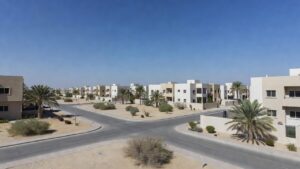
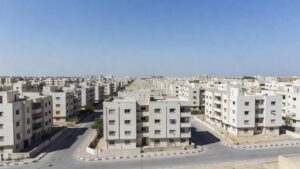
In Jleeb al-Shuyoukh alone inspectors closed 420 unlicensed shops and restaurants as they cleared 1,800 abandoned vehicles from public spaces. Advertising infractions formed another focus of the sweeps that sought to eliminate random structures in commercial and residential zones alike. These steps align with a wider governmental approach to preserving infrastructure and urban aesthetics, according to municipal figures.
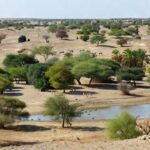
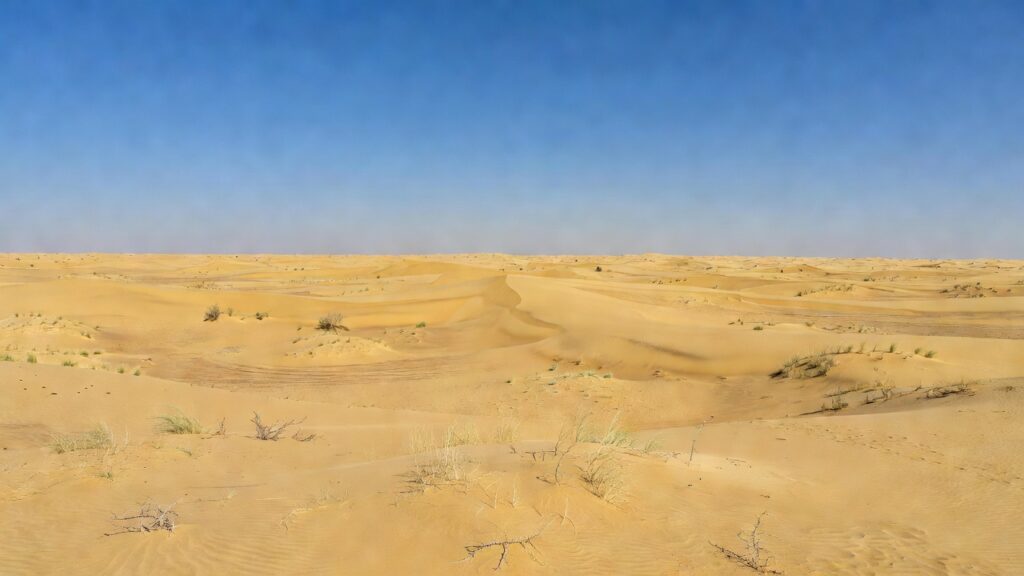
Spring camping controls formed a central element of the desert protection drive with municipal staff issuing more than 2,800 electronic permits for authorized sites. Emergency response units simultaneously removed 140 illegal camps erected either before the permitted season, in restricted zones or in proximity to oil facilities. The measures are intended to shield desert environments from damage caused by unregulated activity, the municipality stated.
The latest actions continue a series of enforcement operations that began in late 2024 when municipal teams cleared approximately 100 illegal sites in the southern desert near Al-Wafra, according to contemporaneous reports from Kuwait Times. A Cabinet decision in July 2025 subsequently directed almost two dozen ministries to eliminate or report violations on state-allocated properties within tight deadlines. Minister Abdul Latif Al-Mashari has overseen the sustained campaign that seeks to organize land use for legitimate purposes such as grazing and seasonal camping.
Municipal teams have coordinated with the Ministry of Interior, the Fire Force and environmental authorities during the operations to ensure comprehensive coverage and public safety. Property owners received warnings to voluntarily correct violations before formal penalties are imposed. The municipality indicated that monitoring will persist to prevent recurrence of the infractions.
Additional campaigns in 2025 and 2026 have removed hundreds more structures in areas including Taima, Sulaibiya and Farwaniya, data from local authorities show. These repeated drives reflect systematic attempts to address both long-standing and newly formed encroachments on public land. Officials continue to promote electronic permitting systems to streamline compliant use of desert areas.