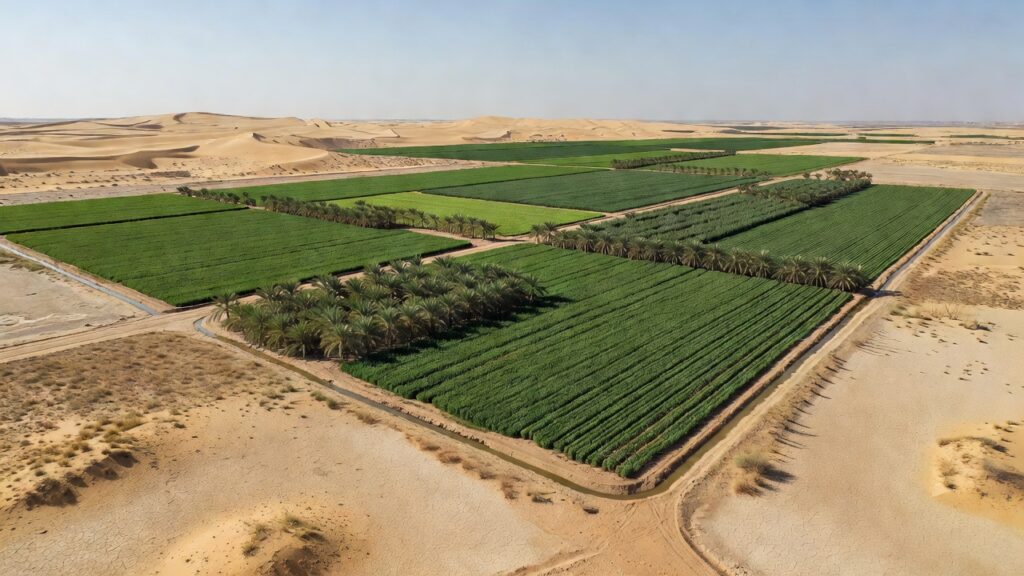
The Public Prosecution announced the referral in a statement detailing how investigations into Money Laundering Case No. 153 of 2026 uncovered systematic tampering with documents and procedures governing state-owned agricultural holdings and plots managed by the Public Authority for Agriculture Affairs and Fish Resources. Among those referred are public sector employees some in leadership and supervisory positions along with individuals from various government entities and 28 legal entities that benefited from the illicit activities. The case which originated from tips received by authorities exposed bribery deliberate harm to public funds through neglect of duty forgery of official documents and money laundering according to the Public Prosecution.
Evidence in the case was bolstered by technical reports from the Kuwait Anti-Corruption Authority and the Kuwait Financial Intelligence Unit the Public Prosecution stated. The probe revealed that the defendants traded in usufruct rights over state property generating profits and benefits valued at precisely 8,662,296 dinars. This action forms part of a wider push to ensure that agricultural resources reach legitimate holders and support genuine food security efforts rather than speculative or fraudulent schemes.
The Public Authority for Agriculture Affairs and Fish Resources has faced increased scrutiny in recent years over allocation of plots intended for productive farming. Related statements from government officials have repeatedly stressed that annual support totaling around 39 million dinars must flow only to authentic producers with 21 million dinars dedicated to feed and 11.5 million dinars for plant-related assistance. In one prior consultative meeting officials withdrew 14 misused holdings that had been converted into warehouses or factories violating their designated purpose.
Farmers unions have welcomed such accountability measures noting that fraud undermines confidence in the support system and disadvantages those who comply with regulations. The Kuwaiti Association for Livestock Wealth and Food Security has called for transparent mechanisms in subsidy distribution to protect field producers who maintain consistent output and contribute to national reserves. These groups have proposed clear criteria including minimum livestock numbers and vaccination records to distinguish genuine operators from paper investors.
Reforms by the Public Authority for Agriculture Affairs and Fish Resources have included restructuring feed distribution for the 2026-2027 season setting minimum thresholds of 50 head for sheep and goats and 15 head for camels and cattle. The authority excluded support for Arabian horses and non-compliant holders while emphasizing field verification to prevent waste. Such steps align with the prosecution’s efforts to safeguard public assets and direct benefits toward sustainable agricultural production.
The Public Prosecution affirmed that each defendant’s role was individually assessed with charges encompassing illicit enrichment and participation through agreement or assistance. This case highlights ongoing collaboration between regulatory bodies to address vulnerabilities in land management systems that have persisted over an extended period. Authorities continue to examine similar complaints to prevent recurrence and reinforce equitable access for compliant farm holders across Kuwait.