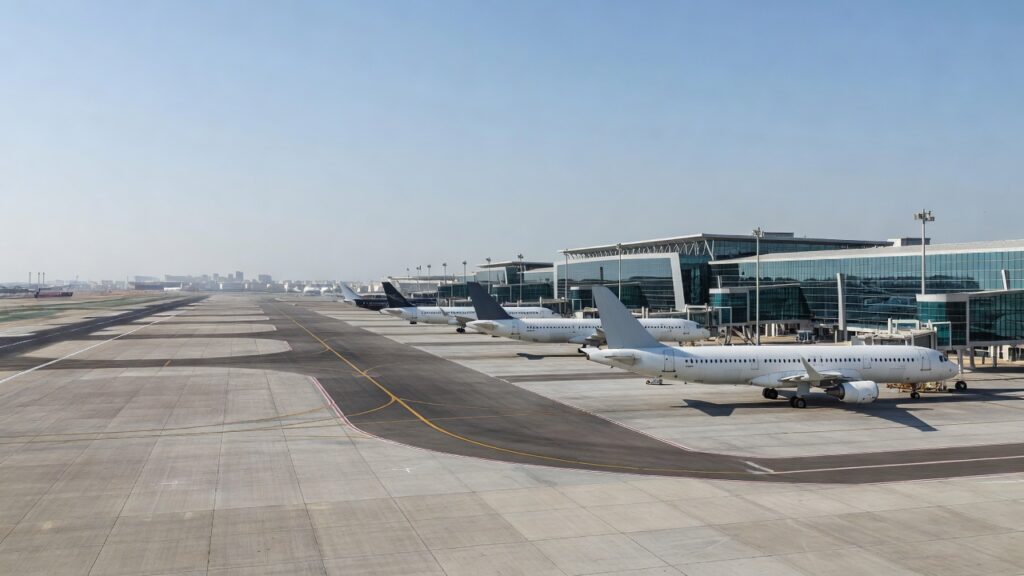
Airline operational statements indicated that the majority of flights from UAE airports continued on schedule this week even as airspace restrictions linked to the incidents in Iran prompted targeted adjustments. Etihad Airways confirmed the cancellation of flights EY653 from Abu Dhabi to Kuwait and EY654 in the opposite direction due to ongoing operational considerations. The carrier noted that some Kuwait and Bahrain bookings remain open although full service restoration details were still under review according to its updates. Regional coverage from The National in mid-July had earlier highlighted that civilian aviation sites stayed mostly unaffected leading to relatively few cancellations across Gulf carriers at that stage.
Emirates listed its Dubai to Kuwait and Dubai to Bahrain routes as unavailable in current schedules according to flight status reports. flydubai cancelled service FZ027 to Bahrain and registered a delay on flight FZ039 bound for Salalah as detailed in its notices. Air Arabia cancelled several departures including G9068 and G9124 from Sharjah to Kuwait plus additional services to Bahrain and Doha the low cost carrier’s published timetable showed. These specific disruptions reflect the fluid nature of regional airspace management in response to the security developments.
Qatar Airways announced via its official travel alerts page that passenger services to Bahrain Erbil and Kuwait will resume starting August 8 2026. Gulf News reported that the move represents an initial step in rebuilding the airline’s Gulf network following the period of suspension. Jazeera Airways has already restarted operations to and from Kuwait while advising passengers to reach the airport three hours prior to departure to accommodate any processing requirements.
Several international airlines have maintained longer suspensions with British Airways extending its halt until October 31 according to its published advisories. Lufthansa indicated plans to restart by September 13 while Singapore Airlines and Air Canada set October 24 as their target resumption date. The extended pauses stem from continued assessments of the security environment in the broader region as carriers prioritise safety for passengers and crew.
Oman Air cited temporary restrictions and technical issues as the cause of additional delays and cancellations in its network according to recent statements. Saudia said it continues to monitor the situation closely and will inform customers of any further changes through its channels. Passengers across affected routes face potential extended flight times of one to three hours along with risks of last minute cancellations and baggage handling delays as outlined in multiple carrier warnings.
The National earlier assessed that Gulf airlines had kept most aircraft flying because the conflicts had not broadly targeted civilian infrastructure. Aviation updates compiled from airline websites emphasise the importance of travellers checking status directly before heading to the airport. Diplomatic initiatives aimed at reducing tensions across the Gulf are ongoing even as the aviation sector implements these measured adjustments.