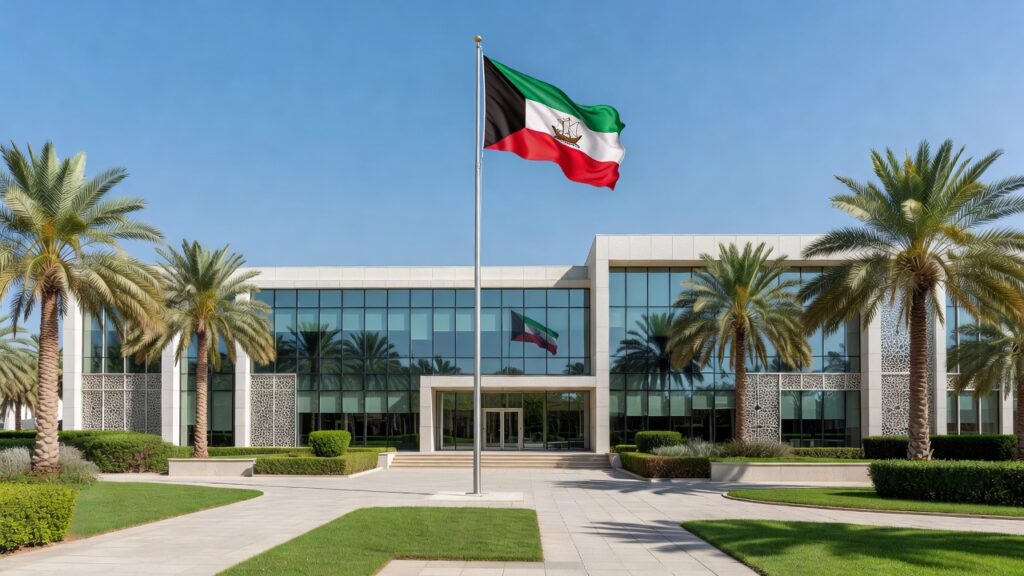
The Ministry of Education and the Public Authority for Combating Corruption released a joint statement detailing the approval of the new code, which was developed at the anti-corruption authority’s initiative following consultations with civil society organizations. The code was subsequently formalized through a ministerial decree after the education ministry completed its regulatory review, building on an existing memorandum of understanding between the two bodies focused on awareness programs. This development positions teachers as central figures in promoting societal values, with the framework defining clear professional boundaries and expectations for all staff in both public and private schools.
According to the joint statement, the Teachers code to infuse integrity across schools establishes a comprehensive set of principles grounded in honesty, integrity, fairness and transparency. It aims to build trust between teachers, students and parents while fostering an environment of accountability and respect that contributes to better educational outcomes. The code also serves as an ethical guide that encourages positive role modeling and aligns school culture with national priorities.
Nazaha annual reports have highlighted the importance of such professional codes in government agencies as part of the national integrity strategy, with previous documents outlining plans for training and implementation across sectors including education. The current code aligns with Sustainable Development Goal 4 on quality education and the United Nations Convention against Corruption, which emphasizes preventive measures and collaboration with civil society. These connections underscore the initiative’s role in broader governance reforms, a Kuwait News Agency dispatch indicated.
The ministry statement outlined that the code applies to all teaching and supervisory personnel, specifying responsibilities such as mastering educational content, employing modern teaching methods and integrating technology to enhance student learning. Teachers are also expected to maintain open communication with parents, protect confidentiality and avoid any exploitation of their position for personal gain, including accepting gifts or engaging in defamation through social media. Such provisions reflect alignment with national legislation and international best practices tailored to Kuwaiti values and traditions.
The Ministry of Education suspended seven teachers for three months in February 2026 over ethical violations including the unauthorized publication of curriculum materials, its statement at the time indicated. This latest code provides a proactive framework to prevent such issues by promoting continuous professional development and ethical awareness among educators. The partnership between the education ministry and Nazaha represents a model for institutional cooperation in advancing transparency.