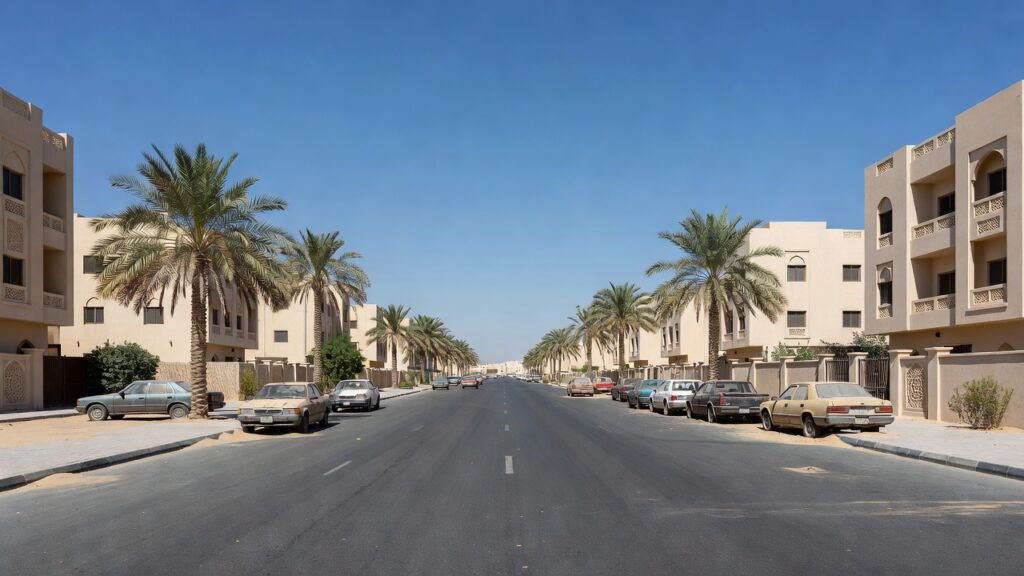
The Kuwait Municipality removed 384 abandoned vehicles from public roads and neighborhoods this week while issuing 427 violations as part of an intensified campaign to address derelict cars, the authority reported. The operation targeted vehicles left unattended for extended periods that obstruct traffic and create hazards, according to the municipality’s update. Officials deployed towing teams across multiple governorates in coordination with traffic police to execute the clearances efficiently.
The municipality’s tally listed violations covering illegal parking, improper vehicle disposal and failure to maintain registered cars, with fines applied under existing municipal bylaws. Such enforcement actions have increased in frequency over the past two years as urban areas face growing pressure from unregistered and non-operational vehicles. Kuwait Municipality data from prior campaigns show that similar drives in 2024 and early 2025 removed thousands of vehicles, contributing to improved road conditions in residential districts.
Public complaints about abandoned cars blocking sidewalks and parking spaces prompted the latest round of inspections, the municipality stated in its briefing. Teams documented each towed vehicle with photographs and registration details before moving them to designated storage yards pending owner claims or auction. The process allows owners a limited window to retrieve their property after paying associated fines and towing fees.
Kuwait’s registered vehicle fleet exceeds 2.5 million units, according to Ministry of Interior figures, amplifying the challenge of managing derelict and abandoned cars across a population where expatriates form a significant portion. The municipality has previously partnered with interior ministry departments to cross-reference vehicle records and identify long-term offenders. This week’s operation reflects ongoing efforts to maintain civic order in a country where rapid urbanization has strained public infrastructure.
Municipal inspectors conducted field surveys in advance of the towing phase to distinguish between temporarily parked cars and truly abandoned ones, the authority explained. Violations were issued on-site in many cases to deter repeat behavior among vehicle owners. The campaign also included awareness messages distributed through local media urging residents to properly dispose of or maintain their vehicles.
Storage facilities operated by the municipality now hold the towed vehicles, with owners required to settle all dues before release, according to the published procedures. Unclaimed vehicles face disposal through official channels after a specified notice period. The municipality indicated that such campaigns will continue at regular intervals to sustain progress on urban cleanliness and traffic management.
Kuwait Municipality has called on residents to report suspected abandoned vehicles through its hotline and mobile application, the authority said. This participatory approach has helped prioritize high-impact areas in past operations. Data compiled by the municipality highlights that proactive removal reduces risks ranging from fire hazards to environmental pollution from leaking fluids.