The Ministry of Foreign Affairs issued the statement on July 29 detailing its position on the latest incident involving an attempted drone strike on Saudi energy infrastructure. Kuwaiti officials expressed strong condemnation of the actions carried out by the militias, which the ministry linked to efforts to escalate tensions at a sensitive time. The foreign ministry noted that Saudi Arabia has been actively working to de-escalate regional conflicts even as these attacks persist.
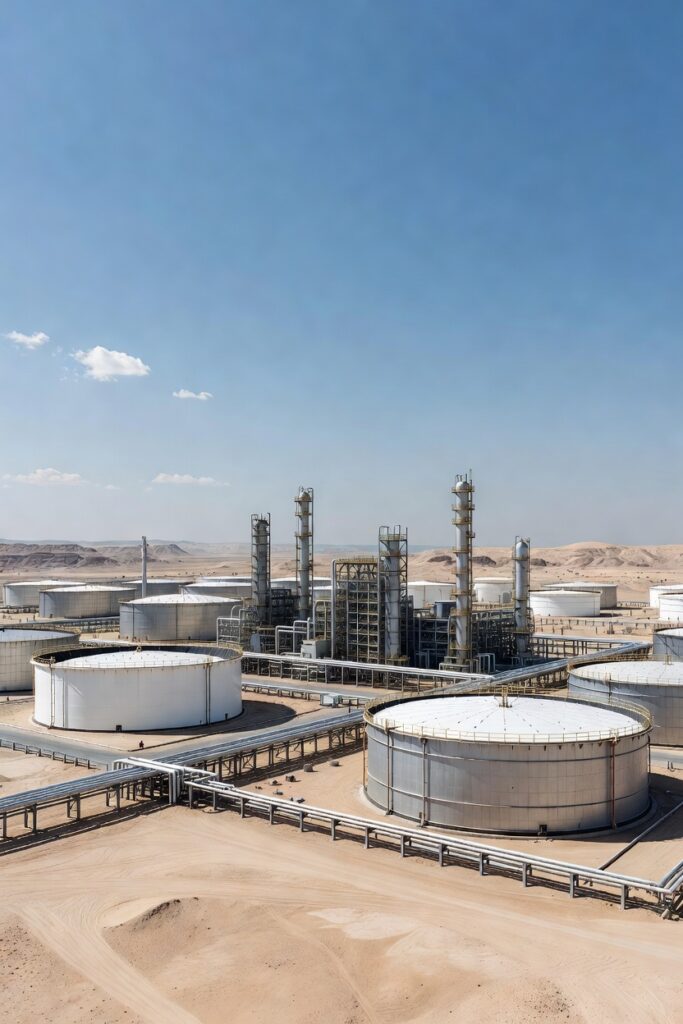
Specifically, the statement addressed the drone attack attempt on petroleum facilities in Saudi Arabia’s Eastern Province that occurred on the evening of July 28. According to the ministry, the strike represented a clear breach of Saudi sovereignty and endangered the kingdom’s security and territorial integrity. The ministry further observed that such incidents undermine broader initiatives aimed at stabilizing the area.
Kuwait reaffirmed its complete solidarity with Saudi Arabia in the statement and voiced support for every measure Riyadh adopts to defend its security, sovereignty, interests and national assets. The foreign ministry emphasized Saudi Arabia’s right to self-defense as outlined in Article 51 of the United Nations Charter. This legal reference underscores the alignment between Kuwait’s position and established principles of international law.
The ministry declared that the security of Saudi Arabia forms an integral part of Kuwait’s own security as well as that of the wider Gulf Cooperation Council member states. This assertion reflects long-standing strategic ties among the GCC countries in the face of external threats. Similar sentiments have appeared in joint declarations by Saudi Arabia, Kuwait, the United Arab Emirates, Bahrain, Qatar and Jordan condemning Iranian proxy activities, a Saudi Press Agency compilation showed.
Regional observers have tracked an uptick in drone and missile incidents attributed to Iran-linked groups over recent months. The Kuwaiti statement aligns with responses from other Gulf capitals that have likewise condemned these actions as destabilizing. Authorities in Riyadh have reported intercepting multiple such threats targeting vital installations in both the Eastern Province and other areas.
The foreign ministry’s communication serves to reinforce bilateral relations between Kuwait and Saudi Arabia while signaling a unified GCC stance against provocations from militia networks. According to regional diplomatic records, such coordinated positions have helped deter further aggression in the past. The latest condemnation also comes as Gulf states continue to advocate for dialogue to resolve underlying disputes.