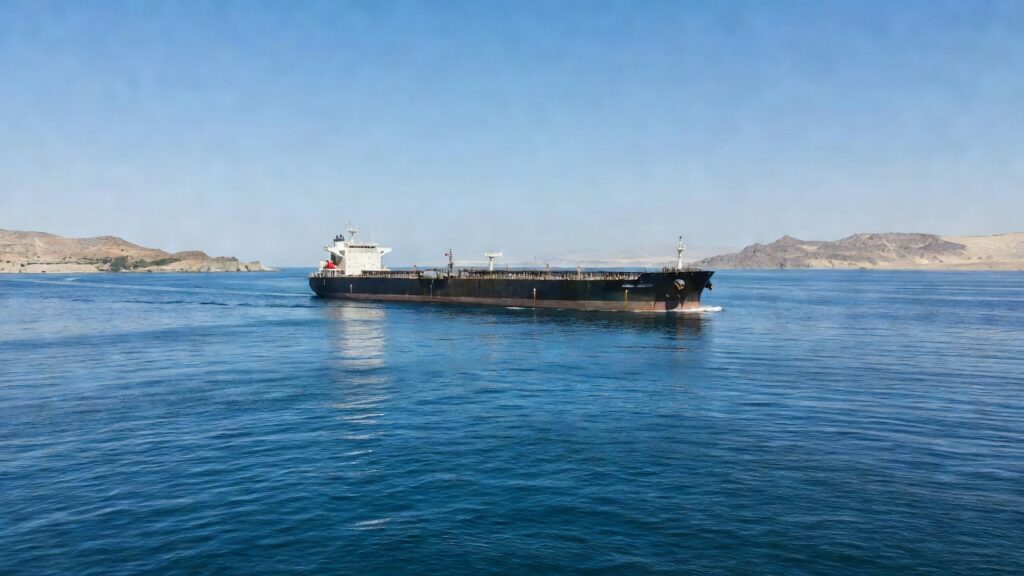
The United Arab Emirates Foreign Ministry described the strike targeting the ADNOC vessel as a blatant violation of international law and UN Security Council Resolution 2817, according to its official statement released on August 8, 2026. Abu Dhabi officials reported that no injuries occurred during the incident in the Strait of Hormuz while stressing the need to safeguard freedom of navigation and commercial shipping in key international waterways. The ministry warned that using the Strait of Hormuz as a tool for economic pressure or blackmail poses a direct threat to regional stability and global energy security, calling on Iran to halt such attacks and allow the strait to reopen fully and unconditionally.
Qatar’s Foreign Ministry separately condemned the Iranian missile strike on the UAE oil tanker operated by ADNOC, aligning with the broader Gulf response to the event. Saudi Arabia termed the incident an assault on the freedom and safety of navigation as well as global energy supplies, according to its foreign ministry statement. Riyadh described Iran’s continued actions as a grave violation of international law and Resolution 2817, holding Tehran responsible for the consequences while demanding an immediate cessation and reaffirming full solidarity with the UAE.
Kuwait’s authorities strongly condemned what they labeled reprehensible Iranian aggression against the ADNOC vessel, with the foreign ministry noting that the attack threatens maritime security, freedom of navigation and global energy supplies. The statement urged an immediate halt to escalating actions and adherence to international law governing the safety of maritime routes. Kuwait also expressed its full solidarity with the UAE and backed measures to protect its sovereignty, security and interests.
This development occurs against a backdrop of heightened tensions in the region, where Reuters reported that the UAE had previously accused Iran of attacking vessels in the Strait of Hormuz earlier in 2026. Deutsche Welle coverage of the 2026 Iran conflict detailed similar incidents involving UAE-linked tankers, including drone strikes on an empty ADNOC vessel in May that resulted in no injuries. Such events have repeatedly drawn international attention to the vulnerability of critical shipping lanes.
The Strait of Hormuz remains a vital artery for global energy flows, with historical assessments from the US Energy Information Administration indicating that around one-fifth of the world’s oil consumption has transited the waterway in recent years prior to the current conflict. Data compiled by the International Energy Agency has similarly underscored the strait’s role in carrying a significant share of liquefied natural gas exports from Qatar. Disruptions in the area carry potential implications for energy markets, as noted in analyses from these bodies.
The coordinated Gulf statements emphasize a unified position among the four nations on the need to uphold international norms, according to the respective ministry releases. Each country highlighted the attack’s potential to destabilize broader security dynamics beyond the immediate maritime zone. Officials have called for de-escalation to prevent further threats to commercial shipping and regional stability.