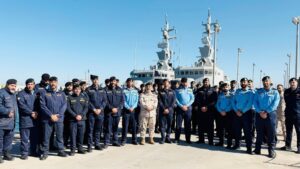
The NATO announcement detailed a two-day visit by Admiral Giuseppe Cavo Dragone, Chair of the NATO Military Committee, to Kuwait from April 23 to 24, 2025, marking his first trip to a Gulf member of the Istanbul Cooperation Initiative in that capacity. During the stay, he engaged with the country’s senior political and military leadership to review bilateral ties and explore ways to expand practical defense collaboration amid evolving regional threats. The visit also featured delivery of remarks at the Mubarak Al-Abdullah Joint Command and Staff College on global security issues and how the alliance addresses them.
According to the NATO report, Admiral Cavo Dragone held a high-level meeting with His Highness the Crown Prince Sabah Al-Khalid Al-Sabah where both sides committed to continuing to strengthen their unique and fruitful relationship. The admiral additionally met with the Minister of Defence and Acting Minister of Interior Abdullah Ali Al-Abdullah Al-Salem Al-Sabah, with the officials reflecting on two decades of partnership while identifying opportunities for deeper military cooperation between Kuwait and NATO. The discussions underscored Kuwait’s contributions to regional stability in the Gulf.
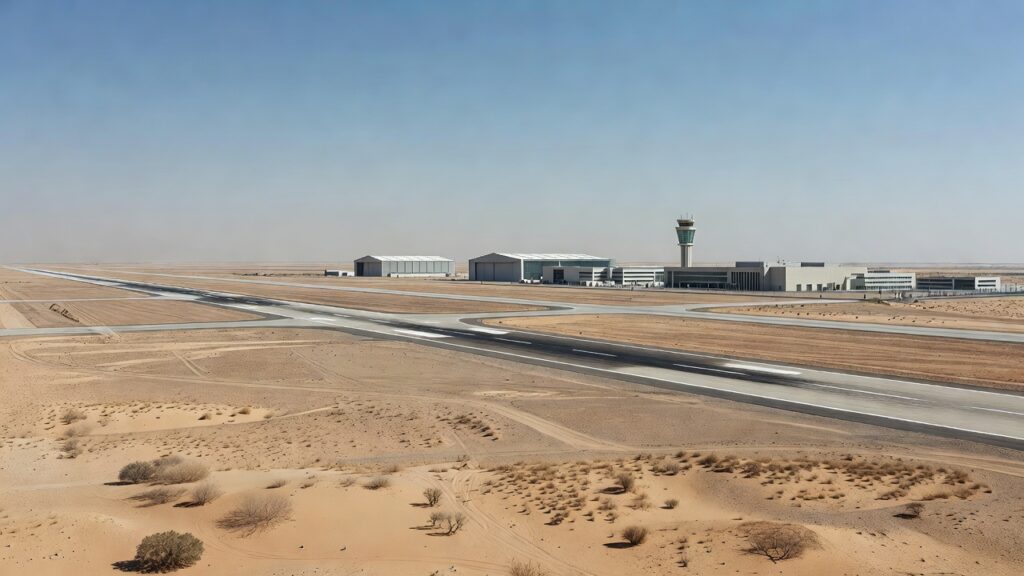
NATO records show that the itinerary incorporated a tour of the Salem Al-Sabah Air Base along with a briefing at the NATO-ICI Regional Centre in Kuwait. These stops highlighted the operational focus on air force capabilities within the broader security partnership. The alliance noted that such engagements reinforce dialogue and hands-on cooperation.
A NATO assessment found that Kuwait became the first Gulf country to join the Istanbul Cooperation Initiative in June 2004, setting the foundation for sustained military ties. The country later joined the individual partnership and cooperation program in 2014 and has hosted meetings of NATO’s political advisory group as well as a NATO Council session for the initiative’s anniversary. In 2016, Kuwait and NATO signed a military transit agreement, followed by the inauguration of the regional center in January 2017.
Javier Colomina, NATO’s special representative for the southern neighborhood, told KUNA in April 2026 that the partnership level with Kuwait remains positive and provides a base for developing fresh cooperation initiatives to enhance regional security and stability. He pointed to recent meetings with Kuwait and other Gulf partners that emphasized intensified dialogue and practical work in maritime security, counter-drone efforts, protection of critical infrastructure and counter-terrorism. Colomina added that Kuwait’s hosting of the regional center embodies its pioneering role in advancing ties with NATO and Gulf states.
NATO data places the partnership as a key platform for political consultations on shared regional and international issues, particularly those affecting Gulf and Middle East security. Kuwait’s designation as a major non-NATO ally has facilitated additional defense collaboration channels since 2004. The alliance continues to support capacity-building activities including training courses for Kuwaiti personnel in areas such as civil emergency planning, disaster preparedness, defense reform and non-proliferation.