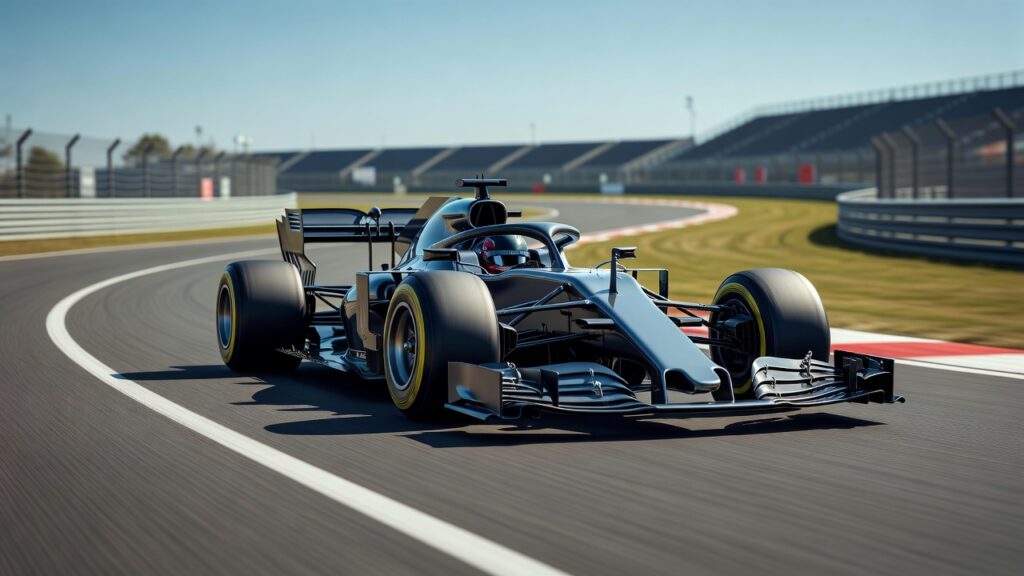
The International Automobile Federation presented regulations built around the V8 architecture carrying over certain geometrical elements while pairing the engines with lighter and more agile chassis, the FIA said in a statement released ahead of the Las Vegas Grand Prix. This framework emphasises driver skill, closer racing and a return to the louder sound that characterised earlier eras of the sport. The definitive regulations will be tabled at the World Motor Sport Council meeting scheduled for next month in Shanghai.
FIA President Mohammed Ben Sulayem described the accord as a significant milestone. “This agreement marks a significant milestone in shaping the future of Formula One,” he said. “The return of V8 engines represents an opportunity to reconnect with the DNA of this championship, bringing back the sound, emotion and pure racing that is loved worldwide.”
Formula One last competed with naturally aspirated V8 engines from 2006 to 2013 before adopting the quieter and more complex V6 turbo-hybrid formula that has been in place since 2014, FIA historical records show. The new units will run on advanced sustainable fuels and reduce the electrical component that has drawn criticism from some drivers for forcing energy management over flat-out racing. A Reuters report noted that the unanimous backing from all parties paves the way for simplified power units that should also lower development costs.
Ben Sulayem had first outlined the 2030 target during an October 2026 event in Rwanda tied to the launch of Formula One’s return to the African continent. He indicated at the time that the cars would be roughly 80 kilogrammes lighter than current models while sustaining commercial viability for manufacturers through halved research and development expenditure. Drivers including McLaren’s Oscar Piastri, Mercedes’ George Russell and others have voiced support for the change in remarks gathered before the Las Vegas weekend, according to multiple outlets covering the sport.
The agreement builds on months of consultation among stakeholders and follows social media signalling from Ben Sulayem that included the phrase “You spoke, we listened. V8s coming soon.” Power unit suppliers such as Mercedes, Ferrari, Renault and incoming manufacturers have aligned with the direction, a development that avoids any need for the FIA to impose rules unilaterally for 2031. The framework maintains sustainability objectives through the fuel specification while addressing fan demand for more emotive engine acoustics.
Further technical details will be refined ahead of the Shanghai presentation, where the full 2030 package is expected to gain final approval. The shift arrives as Formula One continues to expand its calendar, with the Rwanda race slated to feature the new V8 machinery in its debut event. Industry assessments place the move as a response to persistent feedback on the current hybrid era’s driving characteristics and auditory profile.