The Ministry of Interior detailed a joint operation by its criminal security, traffic and operations sectors that resulted in the arrest of 10 individuals who had entered the Umm Al-Qadeer reserve in violation of longstanding access restrictions. Their vehicles caused portions of the natural environment to be damaged while also harming wildlife in the protected zone located in Al-Ahmadi Governorate. The ministry’s statement issued the same day noted that six birds were seized during the intervention alongside the vehicles used in the incursion.
Authorities proceeded to crush all six vehicles after completing legal formalities while releasing the six birds into their natural surroundings. The 10 suspects were transferred to central prison and referred to the appropriate authorities for full prosecution over the entry and resulting environmental harm. The ministry’s account placed the total at 10 arrests with the associated seizures matching the scale of the operation.
This enforcement action follows multiple prior warnings from the Ministry of Interior that have prohibited entry into natural reserves or any activities such as wandering and hunting inside their boundaries. The statement highlighted that such restrictions exist specifically to protect the ecosystem and maintain wildlife integrity across designated areas. Monitoring operations will continue in line with these established rules according to the ministry.
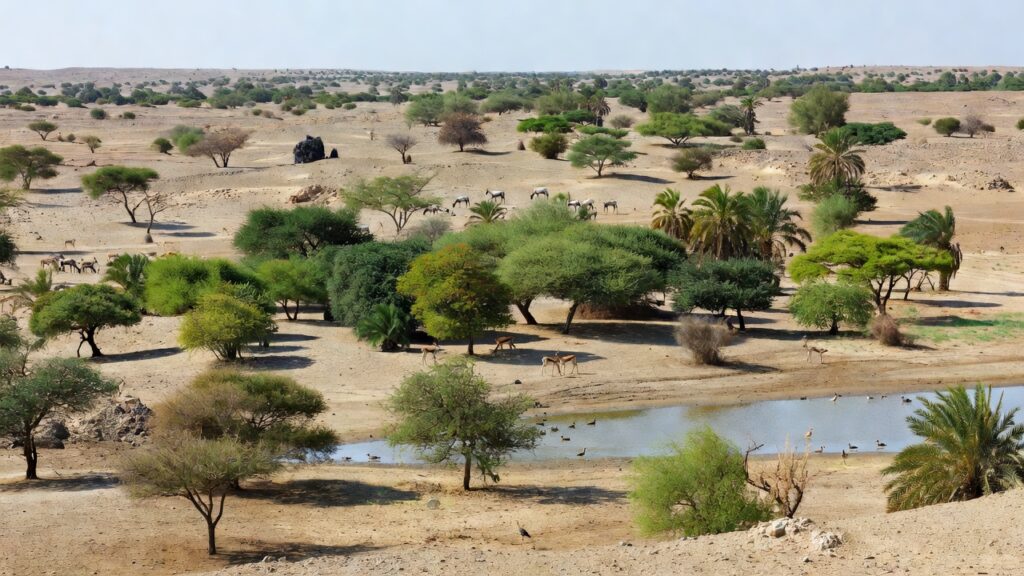
Umm Al-Qadeer functions as an important habitat that includes a privately developed deer reserve created by environmentalist Shabib Mubarak Al-Ajmi, who has populated the site with 30 Arabian oryx and 10 Arabian gazelles in addition to more than 7,000 wild trees of various species. The location also supports ostriches, wild ducks and the endangered sand cat as part of broader biodiversity preservation efforts in the region. A report published by Times Kuwait last year described the initiative as focused on ecotourism and educating younger generations about conservation.
Public Prosecution figures show environmental violation cases rose 168 percent from 3,585 in 2022 to 9,627 in 2023, producing an average of 26 new cases received daily. The Environmental Police separately documented 4,856 violations, misdemeanor cases, field visits and public complaints over a six-month period in 2025 according to another Times Kuwait article. These statistics reflect sustained pressure on enforcement resources dedicated to sites such as Umm Al-Qadeer.
The Environment Public Authority has previously run inspection campaigns inside the reserve in coordination with the Ministry of Interior and private companies to uphold Article 105 of the environment law that bars actions including hunting, livestock grazing, collection of shells or corals and introduction of non-native plants. Kuwait’s Environment Protection Law sets fines of not less than 5,000 Kuwaiti dinars and not more than 50,000 dinars for violations of key protective provisions with additional penalties of imprisonment available in more severe pollution or damage scenarios. The latest case adds to a pattern of coordinated responses aimed at curbing unauthorised access across the country’s protected natural zones.