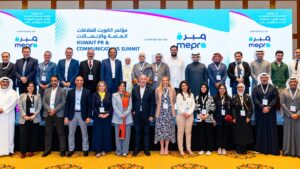
Ahmed Al-Jarallah called on farmers to establish regulated tourism facilities at their farms to generate additional income and benefit residents during a luncheon held in Al-Wafra on August 15, 2026. The dean of Kuwaiti journalism emphasized that appropriate standards must guide such developments to ensure viability. He also pressed for the reinstatement of green fodder subsidies as a means to strengthen livestock production across the sector.
The gathering hosted by Mohammad Al-Mutairi at his farm featured Ahmed Al-Adwani, head of the Kuwaiti Farmers Union, who announced that the Public Authority for Agriculture Affairs and Fish Resources had renewed the union committee’s management for the coming period. Al-Adwani added that redistribution of subsidized diesel according to individual farm needs would begin the following week. Attendees including Rashid Al-Azmi, director of the Public Authority for Agriculture Affairs and Fish Resources, praised the interim committee for delivering a budget surplus and swift handling of outstanding payments to farmers.
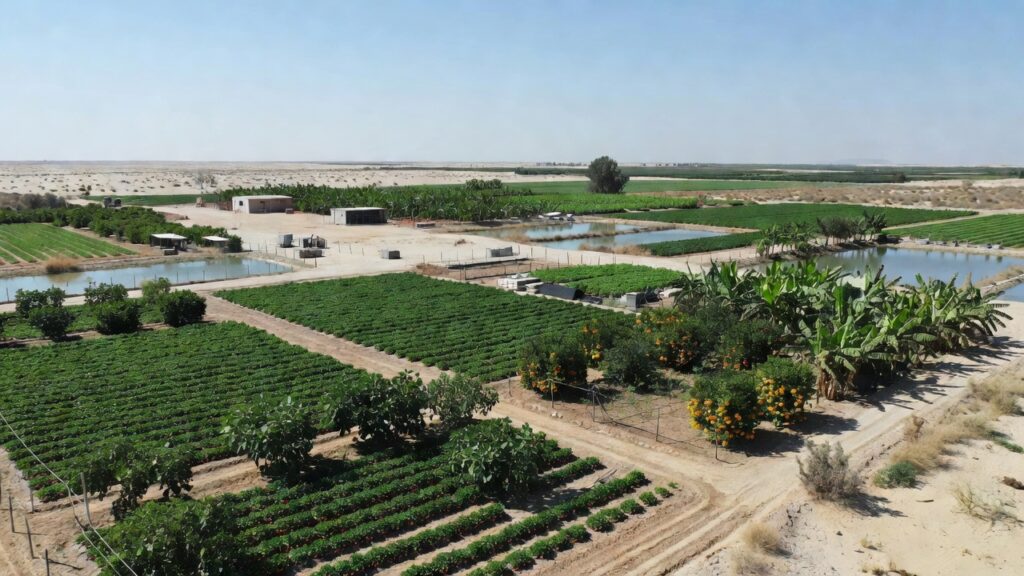
Al-Jarallah further advocated granting licenses for on-farm processing plants, encouraging operators to draw on successful approaches employed in Saudi Arabia and Morocco. He pointed to the effective deployment of modern techniques in cultivating distinctive varieties of strawberries, figs, citrus fruits and bananas alongside poultry, fish, cattle, sheep and camel operations. Participants at the event noted that Kuwaiti farms had turned out 16.4 million packaging boxes over the previous seven months.
The push for agritourism arrives as authorities and producers continue to debate the balance between agricultural production and recreational use of farm land. Kuwait Times reported that recreational farms in Abdali and Wafra recently closed for the season after regulators determined that such plots are intended strictly for cultivation rather than tourism activities. An analysis by the Arabian Gulf States Institute highlighted the Blue Lake Farm in northern Kuwait as a pioneer in opening its grounds to visitors for educational and leisure experiences.
Kuwait’s agriculture sector, though modest in scale, shows expansion potential according to industry assessments. A 6W Research market outlook estimated the Kuwait agriculture market at $1.169 billion in 2025 and projected growth to $2.128 billion by 2032, reflecting a compound annual rate of 8.9 percent. World Bank data placed the sector’s contribution to gross domestic product at roughly 0.49 percent in 2024, underscoring its role in national food security despite limited arable resources.
Al-Jarallah appealed against penalizing the entire farming community for infractions committed by isolated operators and suggested revisiting restrictions on the transfer of agricultural plots. He promoted integrated production systems that combine crop cultivation with livestock, poultry and fish farming to maximise efficiency. The editor also called for expanded extension services focused on low-water crop varieties, referencing successful adoption of such methods in Morocco.