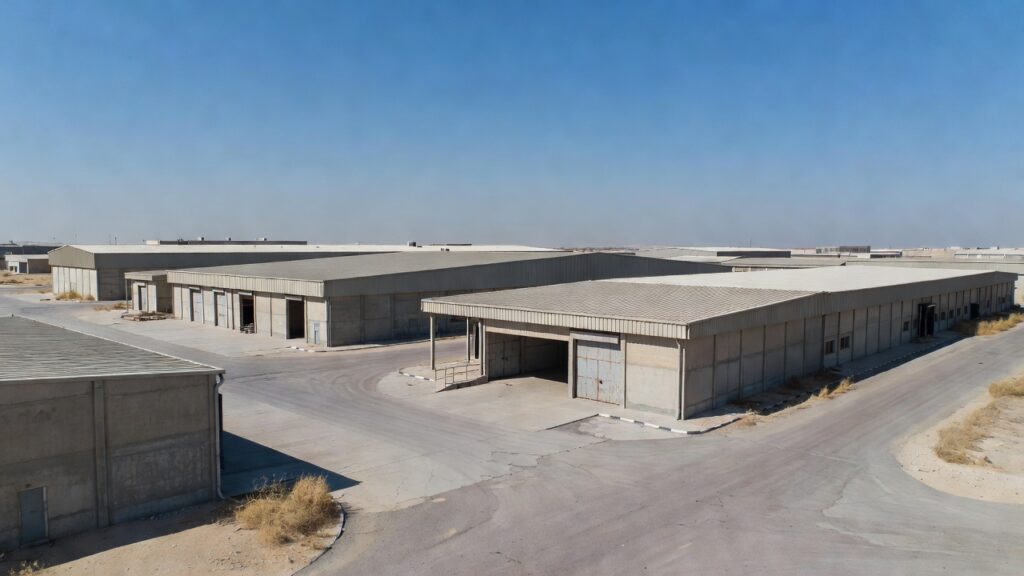
The ministry’s Control and Consumer Protection Department deployed inspectors to conduct surveillance that identified the offending warehouses located in separate buildings. Officers discovered the violator actively displaying and selling the counterfeit products to consumers during the raids. A formal seizure report was prepared on site, and the ministry confirmed that legal proceedings against the perpetrator have been initiated under relevant statutes. The action forms part of sustained enforcement against trademark infringements that the ministry has prioritized in recent operations.
The ministry stated that the seized items violated laws safeguarding intellectual property rights and trademarks. Such breaches infringe on the legitimate interests of brand owners while also diminishing Kuwait’s position in international assessments that evaluate efforts to curb counterfeit trade. The department’s latest tally listed the full 3,800 items as apparel and footwear carrying unauthorized reproductions of global marks.
This raid follows a larger ministry campaign concluded on July 8, 2026, in which approximately 11,000 counterfeit clothing, footwear and handbag items were confiscated. That operation, conducted jointly with the Ministry of Interior, led to the immediate shuttering of eight noncompliant retail outlets. The ministry’s announcements on both actions underscore a pattern of intensified inspections targeting storage facilities and commercial outlets.
A 2023 qualitative study published in the Arab Journal of Administrative Sciences examined the drivers of counterfeit luxury consumption within Kuwait. Author AA Aldousari found that elevated disposable incomes and the cultural emphasis on social status contribute significantly to sustained demand for imitation goods. The research drew on local consumer behavior patterns to explain why counterfeit markets persist despite regulatory measures.
Counterfeit activities have drawn repeated attention from Kuwaiti authorities over multiple years. A 2019 initiative highlighted how the low prices and widespread availability of fakes undermine legitimate economic activity and generate additional environmental strain through premature product disposal. The Ministry of Commerce and Industry has since expanded its use of surveillance and rapid-response teams to address these concerns at the storage and distribution levels.
In 2025 Kuwait established a precedent by filming the destruction of confiscated counterfeit materials, including a network that yielded 23,000 fake branded clothing and footwear items. The Coalition for World Intellectual Property documented the public destruction process as a transparency measure intended to deter further violations. Officials continue to apply similar enforcement tactics across commercial sectors to safeguard intellectual property standards.