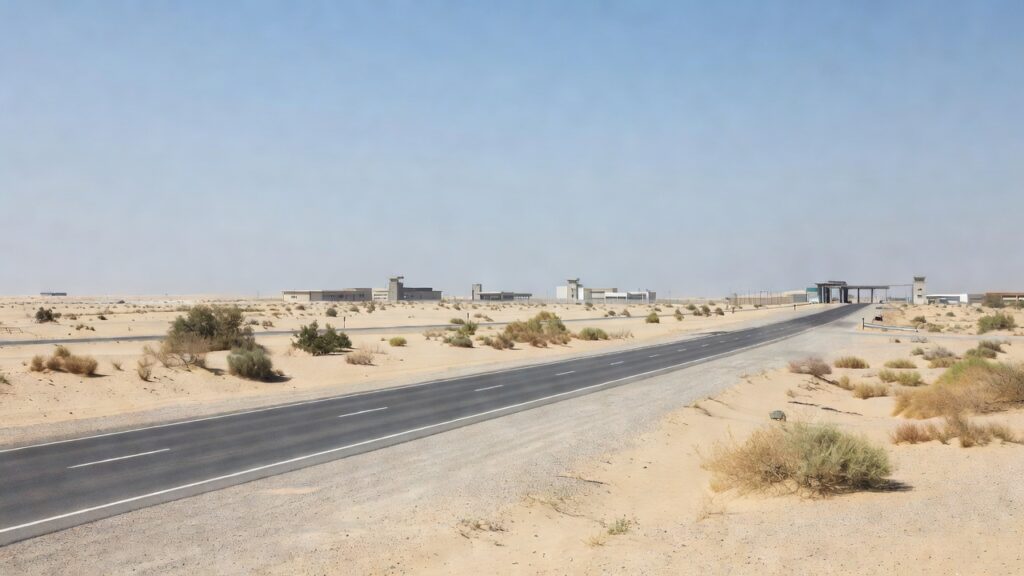
The General Administration of Customs reported that its officers at the Nuwaiseeb land crossing stopped a vehicle driven by an Indian national during standard checks on July 7, 2026. A thorough search revealed 18 kilograms of tobacco concealed in specially adapted sections including the undercarriage of the rear seats, rear side panels and multiple secret compartments. Officials noted the modifications demonstrated deliberate engineering to bypass detection systems at one of Kuwait’s busiest southern entry points with Saudi Arabia. The administration prepared a formal seizure report and transferred the suspect to the General Department of Criminal Investigation to pursue charges.
A 2025 profile from the Global Organized Crime Index placed Kuwait third globally in tobacco-related customs seizures with 97 percent of interceptions occurring at export locations. The assessment found that lower domestic tobacco costs relative to neighboring states have positioned Kuwait as a source for illicit cross-border flows. This latest incident at Nuwaiseeb fits established patterns of attempts to move restricted goods through land borders where traffic volumes remain high year-round. Customs teams have responded by intensifying vehicle scans and profiling at such checkpoints according to the administration’s operational updates.
The General Administration of Customs has maintained consistent pressure on smuggling networks through enhanced technology and personnel training at all ports of entry. Similar operations in recent months have uncovered varied concealment methods ranging from hidden luggage panels to chemical infusions in everyday items. Data compiled by the administration indicates these efforts have disrupted multiple supply lines that target both domestic markets and re-export routes across the Gulf region. Officers continue to coordinate with interior ministry units to process cases swiftly once seizures occur.
Nuwaiseeb serves as a primary commercial and passenger gateway between Kuwait and Saudi Arabia handling thousands of vehicles weekly. The administration’s records show repeated tobacco and cigarette smuggling attempts at this location often involving modified private cars rather than commercial cargo. In the current case inspectors identified the hidden load only after detailed disassembly of interior components. Authorities stressed that all such violations trigger immediate legal referral without exception.
Regional benchmarks compiled by international monitors highlight how excise goods like tobacco remain a focal point for enforcement across Gulf borders. The General Administration of Customs has aligned its strategies with GCC-wide information sharing to track repeat offenders and evolving concealment tactics. This approach has yielded measurable increases in detection rates at land crossings over successive years according to aggregated customs summaries. The Indian national’s arrest adds to the roster of cases that underscore persistent challenges at frontier posts.