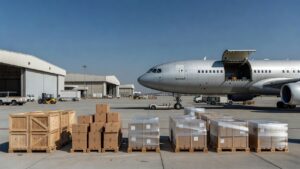
The Ministry of Interior said its General Department for Drug Control carried out the operation that targeted the network engaged in crystal meth trafficking. The raid yielded 47 kilograms of crystal methamphetamine in addition to 45 liters of raw liquid material, the ministry reported. All seized items and any associated suspects were referred to the Public Prosecution, according to the official statement.
A study published in BMC Public Health examined patterns of illicit drug seizures in Kuwait between 2015 and 2018. The assessment found that methamphetamine ranked as the most seized psychotropic substance and the most commonly consumed illicit drug throughout the period. Seizure volumes for methamphetamine ranged from about 21 kilograms in 2017 to more than 60 kilograms in 2018, the study data showed.
The latest bust forms part of the ministry’s sustained campaign against narcotics that has produced multiple similar actions in 2026. In those cases the Criminal Security Sector has reported confiscating varying quantities of crystal meth, hashish, marijuana and Captagon along with related equipment. The ministry has stressed the importance of these operations in protecting society from the harms of drug abuse.
Raw liquid precursors enable the production of crystal meth in clandestine settings, making their seizure a critical element in disrupting supply chains. The 45 liters recovered in this operation would have allowed for the manufacture of substantial additional volumes of the drug if they had reached production facilities. The ministry’s intelligence-driven approach has increasingly focused on both finished products and the materials used to create them.
The findings from the BMC Public Health study highlighted that in the vast majority of cases the methamphetamine seized was in crystal-like form. This matches the nature of the 47 kilograms recovered in the recent network bust. The research provided insights into consumption patterns derived from postmortem and other samples.