The General Traffic Department has called on motorists to thoroughly check their tires and braking systems ahead of forecast rainfall, according to an advisory from the Ministry of Interior. This guidance stresses the need for adequate tire tread and responsive brakes to maintain control when roads become wet and traction decreases. Officials highlighted that such preparations help prevent collisions that tend to increase during the initial rains after prolonged dry spells.
A December 2025 statement from the Interior Ministry, distributed by the Kuwait News Agency, reinforced the requirement for drivers to adhere strictly to traffic laws in rainy conditions. The ministry specifically advised against sudden braking that could cause skidding while recommending safe following distances and compliance with posted speed limits. It additionally cautioned against driving through puddles and using mobile phones, noting that emergency response teams stand ready via the 112 hotline.
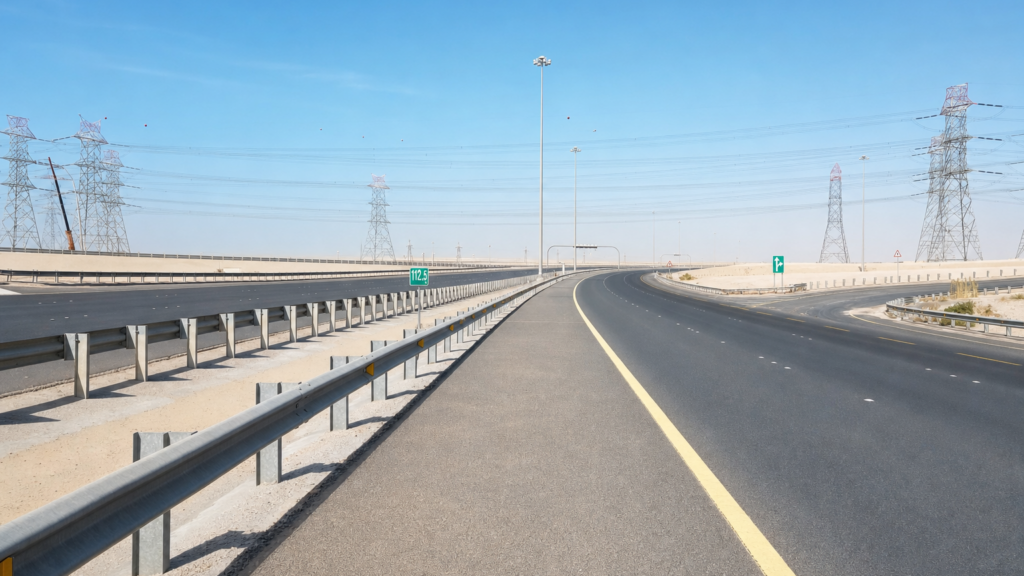
Regional traffic assessments show accident rates often spike when rain first falls on oil-covered roads, creating slippery surfaces that demand heightened vehicle readiness. The General Traffic Department has therefore integrated these vehicle checks into its seasonal safety protocols to address the specific hazards posed by Kuwait’s variable winter weather. Security sources indicated that consistent enforcement contributes to overall reductions in weather-related incidents.
Kuwait traffic regulations set the legal minimum tire tread depth at 1.6 millimetres, according to tyre performance data compiled for local conditions. Industry analyses recommend maintaining at least 3 millimetres for reliable wet-weather grip, particularly given temperature swings that can affect pressure and compound effectiveness. Drivers should also verify brake fluid levels and overall system function as part of pre-rain preparations.
Official statistics documented a drop of more than 65 percent in reckless driving violations in the months after the updated traffic law took effect in 2025, security sources reported. This decline has been especially evident during rainy periods, resulting in smoother traffic flow and fewer dangerous maneuvers on wet pavement. The Ministry of Interior has sustained monitoring campaigns to preserve these gains.
The advisory further encourages examination of windshield wipers, headlights and other visibility aids that become critical in reduced conditions. Motorists can access real-time weather and road updates through official channels to adjust travel plans accordingly. Such measures, when followed collectively, support safer mobility across the country’s primary routes during the rainy months.