The Kuwait Defense Ministry reported that its air defenses intercepted 28 drones targeting southern oil facilities, power stations and water plants on April 8, causing significant material damage but no casualties. The attacks began at 8 a.m. and continued all day, with the army stating it is monitoring ongoing hostile threats, according to spokesperson Colonel Saud Abdulaziz Al-Otaibi.
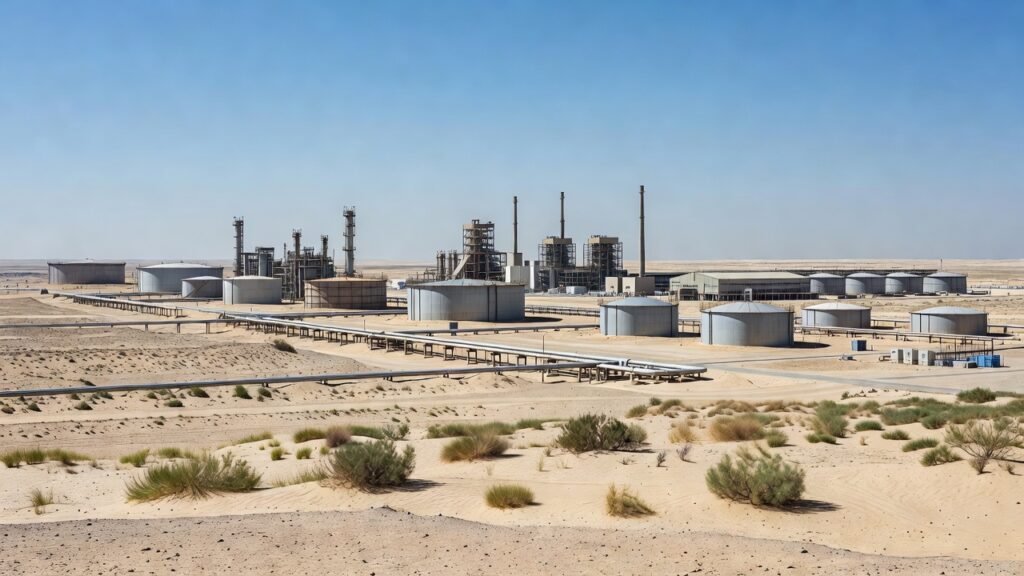
The ministry’s statement specified that some drones were aimed at Kuwait Petroleum Corporation facilities in the south along with the three power stations and desalination plants. Officials noted the material damage to these critical sites while confirming the absence of human casualties from the interceptions and strikes. The General Staff indicated that operations to secure the airspace would persist in response to the continued risks.
This incident took place within the wider 2026 Iran-related conflict that has seen multiple aerial attacks on Kuwait and other Gulf states. Kuwaiti authorities have reported intercepting a total of 283 drones and 97 ballistic missiles throughout the hostilities, according to compiled military figures. The April 8 wave occurred despite an announced ceasefire between the U.S. and Iran, as reported by multiple regional outlets including The Guardian.
An assessment by the Institute for the Study of War on April 13 found that Iranian-backed Iraqi militias were likely responsible for at least some drone attacks on Gulf states. The report pointed to Bahrain intercepting seven Iranian drones that same month and summoning Iraqi officials in protest. Saudi Arabia similarly called in the Iraqi ambassador over the continued militia activities, the assessment stated.
Kuwait has enhanced its counter-drone capabilities with cost-effective systems to address the evolving threats, a development highlighted in a June report from Yahoo News. The country’s Patriot interceptor stocks were drawn down by approximately 75 percent by late March amid the barrage of attacks, according to the Jewish Institute for National Security of America. This has led to greater emphasis on border security with Iraq, from where some launches have originated.
Subsequent incidents in the conflict included a drone strike on Kuwait International Airport in June that killed one person and injured dozens, Reuters reported at the time. Earlier oil complex fires linked to the April assaults were covered by Arab News, which detailed the impact on energy infrastructure. The repeated targeting has underscored the vulnerability of utility and petroleum assets in the southern region.
The Defense Ministry has refrained from naming the specific perpetrators in its April 8 statement, referring only to hostile threats. CNBC reported on the same day that several Gulf countries including Kuwait, Bahrain and Qatar activated defenses against incoming missiles and drones from Iran. The army has called on citizens to adhere to official safety guidelines issued during alert periods to ensure public protection.