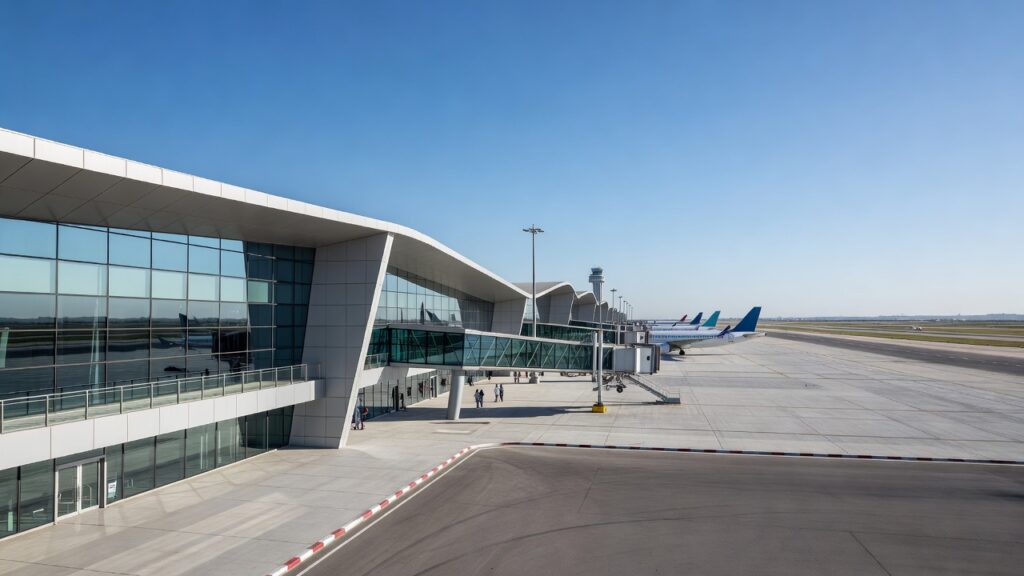
Kuwait’s air defense systems intercepted a barrage of Iranian missiles and drones on June 3 2026 two weeks into a shaky ceasefire between the United States and Iran though an attack on the international airport resulted in one death and dozens of injuries according to multiple reports. The strike heavily damaged a passenger terminal at Kuwait’s main airport NPR reported while the country’s Defense Ministry said its forces destroyed more than a dozen missiles and a similar number of drones. US Central Command stated that two Iranian missiles fell apart en route and that it downed multiple drones targeting American forces with all projectiles either intercepted or disintegrated before impact.
The incident marked another breach of the fragile truce as Iranian forces targeted Kuwait despite the agreement BBC News reported. Iran’s Revolutionary Guard denied responsibility for the airport strike claiming instead that damage was caused by a failed US-made interceptor an assertion that US Central Command labelled false while describing the drone assault as deliberate and unjustified. Kuwaiti officials identified the fatality as an Indian citizen with more than 60 people wounded in the attack and the terminal sustaining significant material damage.
Earlier patterns in April 2026 showed similar violations with Kuwait reporting the interception of 28 drones in one wave that targeted vital oil installations power stations and water desalination plants Al Jazeera reported. The Kuwaiti Army detailed dealing with intense hostile Iranian attacks across multiple days including four cruise missiles 31 drones and nine ballistic missiles in a single reported barrage. These repeated incidents have caused damage to infrastructure such as power lines and refineries according to statements from local authorities and the National Guard.
Kuwaiti armed forces have reported intercepting a total of 97 ballistic missiles and 283 drones since the onset of the 2026 Iran conflict according to aggregated Defense Ministry statements. The National Guard and army conducted numerous interception operations often in coordination with US and Bahraini forces that intercepted additional projectiles aimed at the region. Debris from successful interceptions has occasionally caused secondary damage and injuries on the ground in northern and southern areas.
The airport attack prompted temporary closure of Terminal 1 but the Directorate General of Civil Aviation announced that flights had resumed at two terminals within hours CBS News reported. This rapid recovery followed the interception of the main threats although the human toll and material destruction from falling debris underscored the ongoing risks to civilian infrastructure. Bahraini authorities similarly confirmed intercepting three missiles and several drones in the coordinated wave of attacks.
US self-defence strikes on Iran were cited as a response to these provocations with Centcom confirming actions to protect allied territories including Kuwait and Bahrain. The ceasefire intended to halt such exchanges appeared under severe strain from repeated Iranian launches multiple regional outlets noted. Kuwait has provided no additional details on potential further responses beyond confirming the interceptions and resultant airport impact.