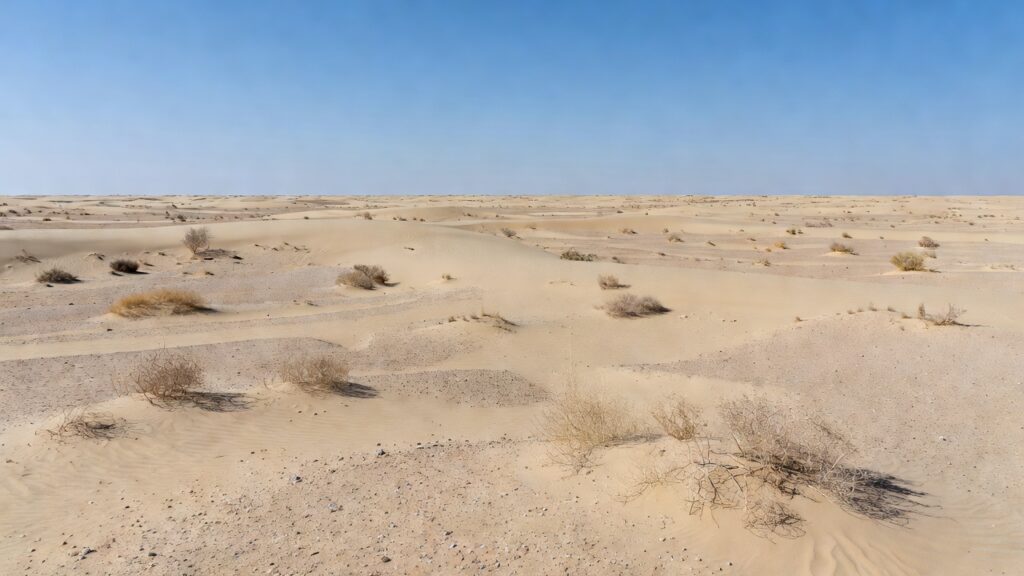
Kuwait’s Directorate General for Drug Control dismantled a Captagon factory in the Kabd area this week, arresting two Bedoun men and seizing approximately 100,000 pills of the amphetamine-based stimulant along with production equipment. The raid targeted a remote desert site where the suspects had established manufacturing operations, according to a Ministry of Interior statement. The action forms part of broader efforts to prevent the emergence of domestic drug production hubs in the country.
The ministry’s statement listed the confiscation of pill presses, precursor chemicals and packaging materials from the facility located roughly 40 kilometers southwest of Kuwait City. Both suspects were transferred to prosecutors on charges including the establishment of a narcotics laboratory and intent to distribute controlled substances. Their identities were withheld pending completion of legal proceedings.
Arab Times reported that the operation stemmed from intelligence gathered through sustained monitoring of suspicious activity in the Kabd region. Security teams executed the raid swiftly to secure all evidence and prevent any dispersal of materials. The site was fully cleared of illicit items before being dismantled by specialized units.
A New Lines Institute briefing noted that Kuwait conducted its first Captagon laboratory seizure in August 2024 in the north of the country, with further production sites identified in subsequent months. The assessment found that such discoveries marked a shift in the regional drug trade, as networks sought new manufacturing locations beyond traditional centers. Kuwaiti authorities have responded by expanding surveillance of remote areas vulnerable to such operations.
The UN Office on Drugs and Crime has documented the Captagon trade’s expansion across the Middle East, where the drug has evolved from a medicinal product into a major illicit commodity with production once concentrated in Syria. Data shared by regional interior ministries with the UNODC between 2021 and 2023 showed repeated large-scale seizures of the tablets. Kuwait has participated in joint operations with neighbors that have interdicted hundreds of thousands of pills in coordinated actions.
Anti-narcotics officers have increased focus on detecting both smuggling routes and potential local production facilities within Kuwait. Materials recovered from the Kabd site will undergo forensic examination to identify supply sources and any linked criminal networks. Convictions for drug manufacturing in Kuwait carry severe penalties under existing legislation.