The Kuwaiti Ministry of Foreign Affairs issued a statement condemning in the strongest terms the drone attacks on Saudi Arabia’s East-West Pipeline that originated from Iraqi territory and struck facilities in the Riyadh and Madinah regions. The ministry described the strikes as a flagrant violation of Saudi sovereignty and international law that threatens broader regional stability at a time when supply routes face heightened risks. Officials in the statement reiterated Kuwait’s complete support for all measures Saudi Arabia takes to protect its security, infrastructure and citizens while emphasising that the kingdom’s stability forms an integral part of Gulf Cooperation Council security. The condemnation aligns with similar positions expressed by other GCC members following the incident that occurred the previous day.
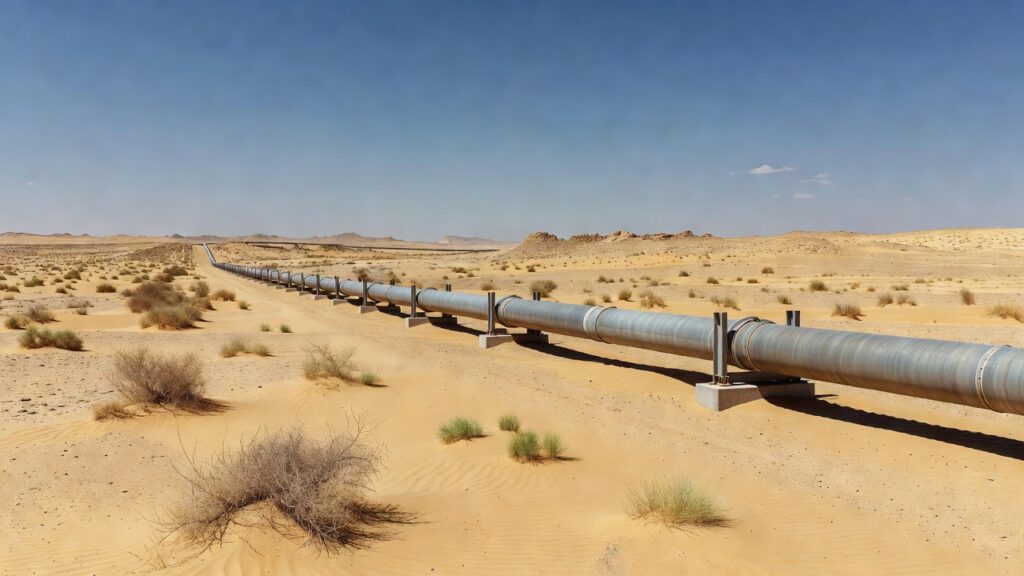
Saudi Arabia’s Ministry of Energy reported that the pipeline was shut down as a precautionary measure after multiple drones caused injuries to workers and material damage at pumping stations. Technical teams have begun assessing and repairing the affected sections in coordination with emergency services according to established safety protocols. The East-West Pipeline which spans from eastern oil fields to Red Sea export terminals on the western coast carries up to 7 million barrels per day according to Saudi Aramco operational data and has assumed greater strategic weight since the Strait of Hormuz closure amid ongoing regional conflict. Iraqi authorities condemned the attacks as well and ordered an urgent investigation while dismissing a provincial military commander linked to the launch area Iraqi officials announced.
The Saudi Ministry of Foreign Affairs stated that Riyadh decided against immediate retaliation following a direct request from Iraq’s prime minister to allow time for Baghdad to address the sources of the launches from its territory. Saudi officials reserved the right to take all necessary steps to defend sovereignty and critical infrastructure while supporting Iraqi efforts to prevent further violations. This approach comes amid a series of similar incidents attributed to militias operating across borders that have targeted Saudi energy assets in recent months according to regional security trackers. Kuwait’s statement echoed these concerns by highlighting the need to uphold international norms to avoid escalation.
Gulf Cooperation Council Secretary-General Jasem Albudaiwi issued a separate condemnation describing the pipeline strikes as a dangerous escalation and an unacceptable threat to Saudi territorial integrity and vital installations. The GCC chief called for unified rejection of all acts that undermine member states’ security and resources in line with principles of international law. Similar positions came from Qatar and Jordan whose foreign ministries described the attacks as breaches of sovereignty that could destabilise the region further. These diplomatic responses underscore the collective GCC stance on threats to shared energy infrastructure that supports economic stability across the bloc.
Kuwait’s latest expression of solidarity builds on a pattern of joint positions with Saudi Arabia on security matters that date back decades including responses to earlier attacks on oil facilities in 2019 and subsequent years. The Public Authority for Civil Information data places Kuwait’s expatriate workforce which includes many Saudi-linked business interests at over three million underscoring the intertwined economic ties that make pipeline security a shared priority. The Ministry of Foreign Affairs has issued comparable statements throughout 2026 condemning at least four prior incidents involving drones or missiles targeting Saudi targets according to its official records. Regional analysts following the latest event note that the East-West route now handles a larger share of Saudi crude exports bypassing vulnerable maritime chokepoints.