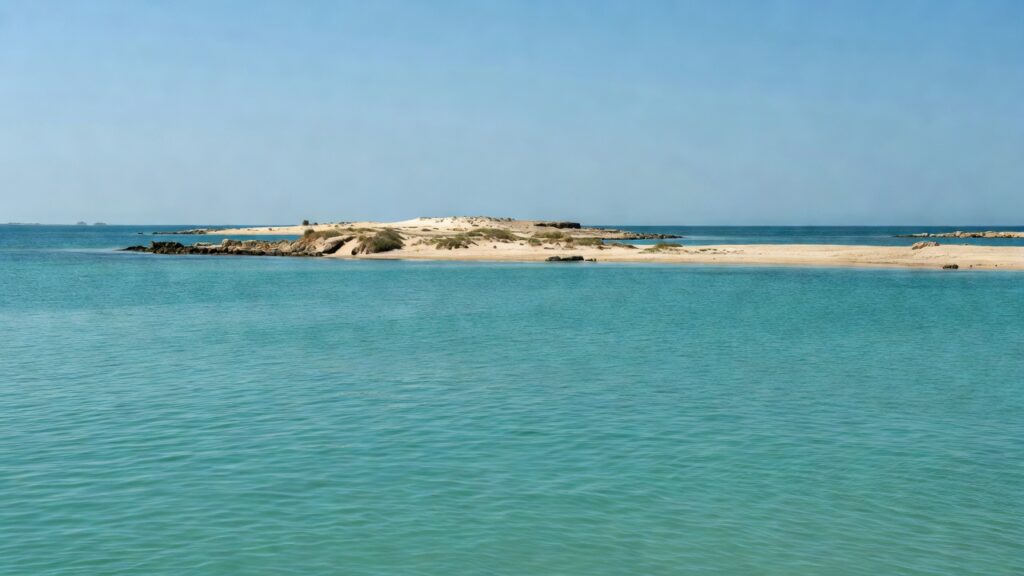
The Ministry of Defense statement outlined plans for the navy to carry out live-fire drills in maritime zones adjacent to Failaka Island over a two-week span beginning this Sunday. These exercises form part of routine scheduled training to sustain operational proficiency and combat effectiveness among naval units. The ministry explicitly warned mariners, fishermen and commercial vessels against entering the affected waters, noting that patrols would monitor compliance and respond to any unauthorized approaches.
Similar live-fire activities have taken place multiple times in 2026, including a June session east of Ras Al-Julaiah and toward Qaru Island that Times Kuwait said ran from 5:00 am to 8:30 pm on two consecutive days. In February the Kuwaiti Army staged a joint exercise southeast of the island between 2:00 pm and 5:00 pm according to a KUNA dispatch, underscoring the frequency with which such drills occur in the northern Gulf. The pattern reflects standard military preparedness programs conducted periodically in coordination with national defense schedules.
Failaka Island lies approximately 20 kilometers from Kuwait City at the mouth of Kuwait Bay and has served as a reference point for naval training ranges for years. The surrounding waters see regular traffic from fishing boats and leisure craft, prompting authorities to issue precise coordinates in advance so users can adjust routes accordingly. The Ministry of Defense advised consulting official nautical charts that define the exact boundaries of each firing range during the September period.
Kuwait’s naval component operates within the wider armed forces structure and aligns its calendar with broader security requirements in a region that has seen elevated tensions this year. Coverage by Al-Monitor has highlighted ongoing defense adjustments across Gulf states, including Kuwait’s exploration of new partnerships to bolster capabilities amid shifting regional dynamics. The current drills involve no public disclosure of specific weapons systems or participating vessels beyond the general safety notice.
Safety protocols remain central to every phase of the announced training, with the Ministry of Defense reiterating that the restrictions aim to protect both military personnel and civilian users of the sea. Any vessel found inside the zones during active periods could face interception by patrol craft, the statement added. The exercises are set to end on September 30, restoring full access to the waters immediately afterward.
Earlier defense activities on and around the island have included an interior ministry forensic simulation dubbed Sharp Eye in January that Kuwait Times reported tested coordination among specialized units in a remote setting. These combined efforts illustrate how various branches of Kuwait’s security apparatus maintain readiness through realistic scenario-based training across the year. Further inquiries about the naval drills can be addressed through the ministry’s designated public affairs channels.