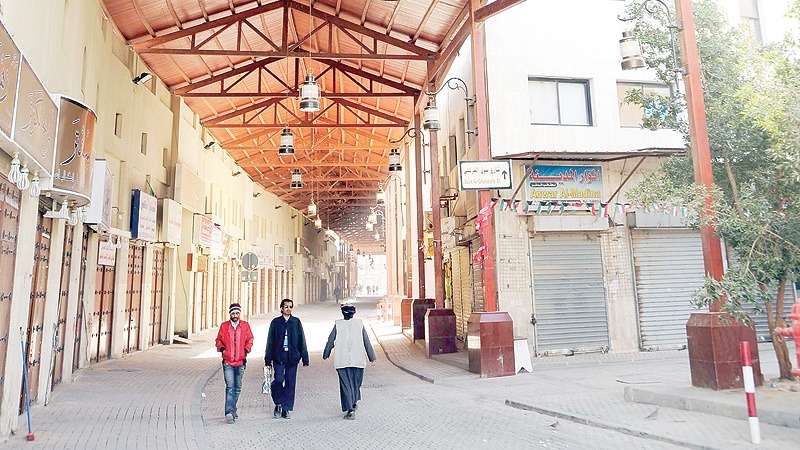
Kuwait’s Ministry of Finance is offering 44 shops in Souq Al-Mubarakiya to Kuwaiti applicants with documented ties to the market’s traditional trades, in a move aimed at keeping its commercial heritage alive.
The shops are located on state-owned property in Al-Qibla’s seventh commercial plot. Their allocation will depend on applicants demonstrating a genuine connection to the souq’s history, whether through their own work, a family trade or the previous operation of premises in the market.
That requirement is central to the initiative. Kuwaiti citizenship alone will not qualify someone for a shop. The ministry is seeking applicants whose connection to Mubarakiya can be supported by evidence, and who intend to operate one of the traditional businesses covered by the scheme.
The eligible activities include handicrafts, traditional restaurants and cafés, spice and herbal shops, nuts and traditional food businesses, leatherwork, tailoring, prayer beads and fishing-related shops. Together, they represent the working trades that have helped give Mubarakiya its identity.
A place for the families and trades behind the market
The ministry’s criteria recognise that a trader’s connection to Mubarakiya may extend beyond their current business address.
Applicants can demonstrate a longstanding personal or family association with the market, including a craft or commercial activity practised by a parent, ancestor or other family member. Previous ownership, occupation or operation of a shop may also be considered, even where that relationship has since ended.
This means the opportunity is not limited to people currently running premises in the souq. A past connection can form part of an application, provided it is documented and meets the qualification committee’s assessment.
Applicants must also intend to use the premises for the historical activity supported by their records, or for another traditional activity included in the ministry’s list. The connection to the market and the proposed use of the shop will therefore both matter.
The approach places the people and businesses associated with Mubarakiya alongside the preservation of its buildings. A traditional shopfront can be restored, but maintaining the activity behind it requires traders who continue to make, sell and work there.
Keeping heritage in everyday business
The allocation follows earlier efforts to preserve Mubarakiya’s architecture and commercial character.
In 2021, the National Council for Culture, Arts and Letters completed restoration work on 23 shops in the market, including premises in the dates and animal-feed sections. The work retained traditional Kuwaiti architectural features while preparing the shops for licensed commercial use.
A separate reconstruction programme followed the fire that damaged parts of Mubarakiya in 2022. Kuwait Finance House announced a construction contract in March 2024, covering approximately 17 buildings and improvements to neighbouring structures, with an estimated project cost of KD8 million.
Those projects provide the wider background to the market’s preservation. The latest 44-shop announcement addresses a different question: who will operate these premises, and which activities will be carried on inside them.
The inclusion of food shops and traditional cafés alongside crafts reflects the breadth of that heritage. Mubarakiya’s character comes from several trades operating together, rather than from a single type of business. The ministry’s list provides room for that variety while restricting the premises to specified uses.
How the shops will be allocated
A qualification committee will examine applications, verify supporting documents and assess each applicant’s historical, professional, craft or commercial connection to the market. It will then compare applicants who meet the requirements.
Applicants must be Kuwaiti, at least 21 years old and legally competent. The nationality requirement must continue throughout the lease. The conditions also cover final criminal convictions and unresolved disputes with the Ministry of Finance relating to previous state-property contracts or contractual and financial obligations, subject to the stated rehabilitation and settlement exceptions.
The required documents include proof of nationality, a valid Civil ID copy, a criminal-record certificate and evidence of the applicant’s historical connection to Mubarakiya. The announced submission period is one month from the notice’s publication.
For enquiries, the Ministry of Finance lists a WhatsApp appointment service for its plots and markets section on +965 22417541. Applicants should confirm the submission procedure and deadline directly with the ministry.
Meeting the initial conditions does not guarantee a shop. The committee’s assessment will determine which applicants proceed, making the evidence of their connection to Mubarakiya a decisive part of the process.