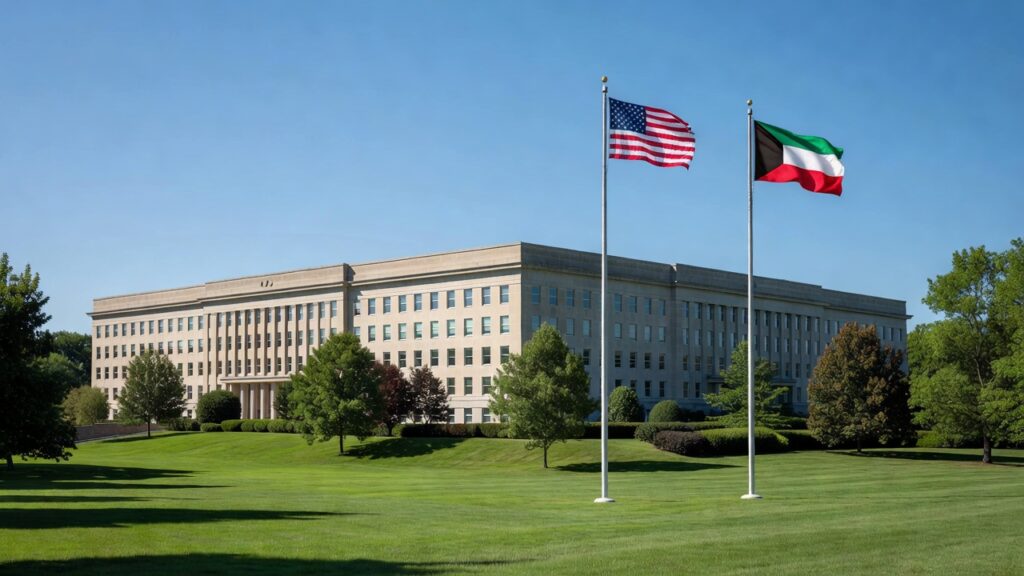
The readout published by the Joint Chiefs of Staff described the session as an opportunity to review the current security environment in the Middle East while highlighting the value of the longstanding bilateral relationship. Gen. Caine congratulated Lt. Gen. Al-Shreian on assuming his duties as chief of the general staff in September 2025, marking this as their first in-person engagement. The leaders emphasized the need to strengthen strategic partnerships that serve the shared interests of both nations in maintaining peace and security. Officials from both sides expressed commitment to continued collaboration on multiple fronts.
The discussions built on existing defense cooperation frameworks that have defined US-Kuwait relations for decades. According to a Congressional Research Service report, the two countries signed a major defense cooperation agreement in 1991 following Kuwait’s liberation from Iraqi occupation. That pact has facilitated American military presence and joint activities in the Gulf ever since. The relationship remains a pillar of regional security architecture.
In an earlier strategic dialogue documented by the State Department in 2019, both governments reaffirmed the central role of their defense partnership in combating terrorism and promoting stability across the region. Similar themes emerged during the latest Pentagon talks as the officials sought to identify new areas for collaboration. The meeting occurred against a backdrop of persistent challenges in the Middle East that require coordinated responses from allies.
Lt. Gen. Al-Shreian leads the Kuwait Armed Forces at a time when the country continues to host significant US military assets critical for power projection in the area. Gen. Caine, who assumed his position earlier, has prioritized engagements with key partners to address emerging threats. The two commanders focused on practical steps to enhance interoperability between their forces during the session.
The Joint Chiefs of Staff noted that the conversation also touched on ways to advance mutual goals in regional stability efforts. Such high-level exchanges help sustain the momentum of defense ties that originated in the early 1990s. Both parties agreed on the importance of ongoing dialogue to adapt to the evolving security landscape.