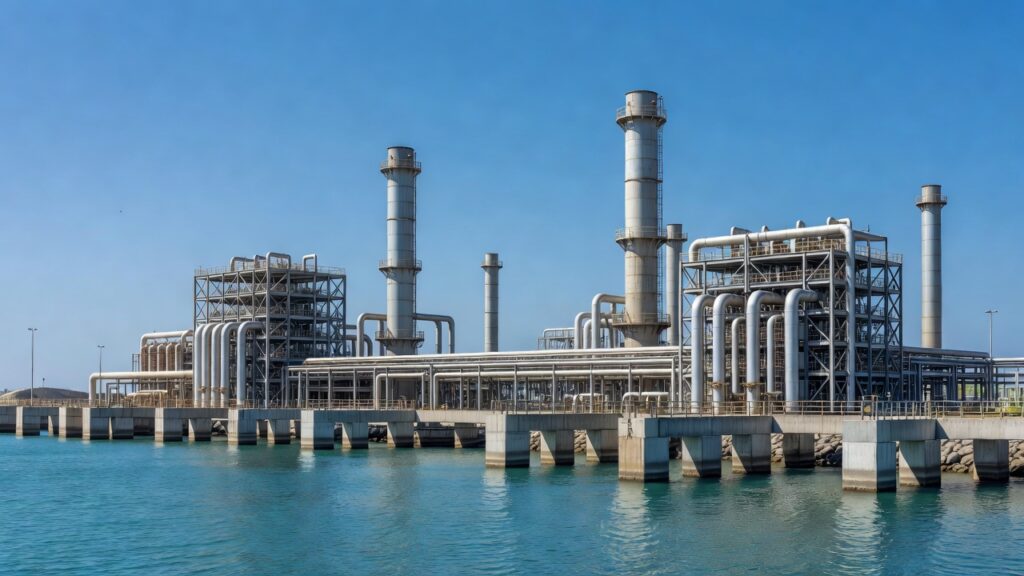
The ministry said in a statement that the assault triggered a fire in one of the facility’s components, prompting the precautionary deactivation of multiple power generation units to safeguard workers and maintain electricity network stability. Kuwait Fire Force personnel joined ministry emergency teams in extinguishing the blaze while technical crews assessed the damage and launched restoration efforts on the affected equipment. Coordination with security authorities formed a central part of the response, with officials activating predefined contingency plans to limit any interruption in electricity and water services nationwide.
This marked the second such incident in roughly 24 hours after a similar Iranian strike on Friday damaged another power and water plant, according to a separate announcement from the same ministry. That initial assault also caused a fire and impaired several generating units, leading the ministry to urge residents to ration electricity use, especially between 11 a.m. and 5 p.m., during the period of heightened demand. The ministry repeated its call for conservation in the latest statement to help ease pressure on the grid amid the continuing strikes.
Al Jazeera reported plumes of smoke rising over Kuwait following the repeated Iranian attacks, documenting the visible impact on energy infrastructure as part of the broader escalation. The strikes fit a pattern that began intensifying in March 2026, when Iranian drones and missiles targeted Kuwaiti power lines, oil facilities and desalination plants, according to timelines compiled from ministry statements and covered by outlets including The New Arab. Earlier incidents resulted in temporary outages and material damage at sites operated by the Kuwait Petroleum Corporation, though the July attacks have so far produced no reported casualties per the latest ministry updates.
A New York Post assessment of the strikes highlighted how the targeting of desalination plants exposes water supply vulnerabilities across the arid Gulf region, where such facilities provide the bulk of drinking water. In March, debris from intercepted Iranian projectiles knocked out seven high-voltage power lines and disrupted the electricity network, the ministry confirmed at the time in statements referenced by Caliber.az. Subsequent April assaults on oil infrastructure and additional power plants caused fires and forced shutdowns, as detailed in reports from The Guardian and AFP that cited official Kuwaiti announcements.
The ministry affirmed that its technical teams continue working around the clock to monitor grid performance and restore impaired units from both recent strikes. Public updates are being channeled exclusively through official government platforms to ensure accurate information reaches residents. Repair work remains underway at the affected sites as authorities evaluate the cumulative impact on national utilities.