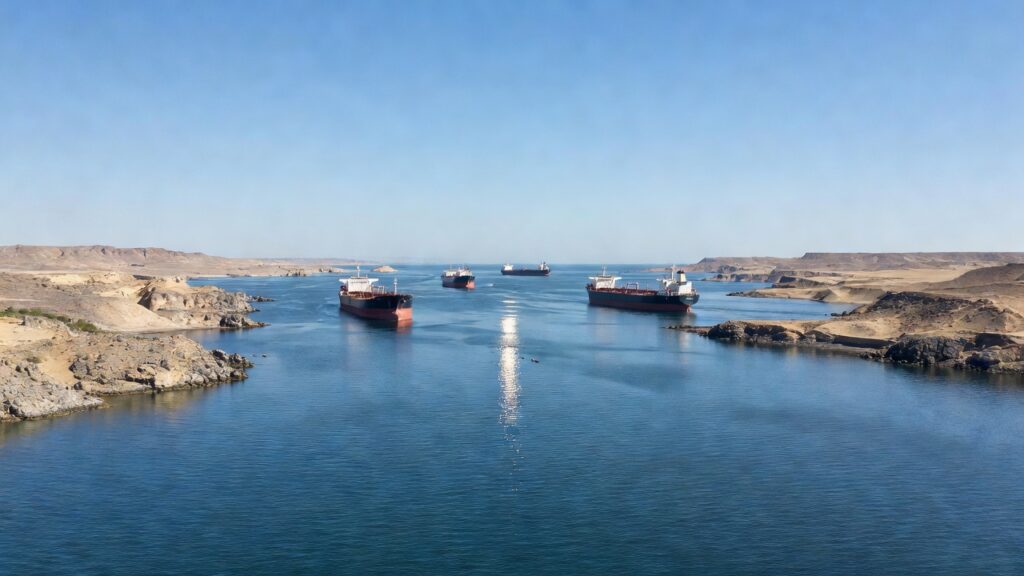
The Ministry of Foreign Affairs issued its condemnation following the strike on the ADNOC tankers as they transited the vital waterway. According to the ministry’s statement, the action contravenes both established international law and specific provisions of UN Security Council Resolution 2817. Such targeting of commercial shipping endangers not only safe passage but also the steady flow of energy resources critical to world markets. The ministry urged all parties to cease any behavior that could further inflame tensions across the region.
In its announcement the ministry called for respect of freedom of navigation principles that have long governed international maritime routes. It specifically demanded the full and unconditional reopening of the Strait of Hormuz to allow unhindered movement of vessels. Kuwait also conveyed its complete solidarity with the United Arab Emirates in response to the incident. The statement affirmed support for measures the UAE may pursue to defend its sovereign rights and secure its interests in the face of such threats.
The UAE Ministry of Defence attributed the assault to Iranian cruise missiles fired at the two tankers, resulting in one fatality and multiple injuries. A report by the BBC placed the death of an Indian seafarer alongside wounds suffered by eight crew members, four of them serious. Six of the injured were Indian nationals while the remaining two were Ukrainian, the UAE authorities detailed. This event adds to a series of similar incidents that have marked the 2026 Strait of Hormuz crisis, as documented in regional coverage.
A Reuters graphic on the Iran crisis illustrated how the strait serves as a critical passage for roughly a fifth of global oil and gas supplies, making any disruption a matter of international economic concern. The crisis escalated following Israeli strikes on Iranian energy infrastructure in March 2026, which prompted a wave of retaliatory actions across the Gulf, the same analysis found. Kuwait itself has seen its tankers affected in prior episodes, including damage to the Al Salmi vessel, according to records compiled in the crisis timeline. These developments have prompted repeated diplomatic interventions by affected states.
Similar condemnations have come from Saudi Arabia, Oman and pan-Arab bodies including the GCC and Arab League, a Gulf Times report indicated. Those statements echoed warnings about threats to maritime security, global trade and energy stability. They likewise pressed for an immediate stop to provocative steps and adherence to international legal standards. The coordinated diplomatic push seeks to safeguard the region’s economic lifelines amid the ongoing volatility.