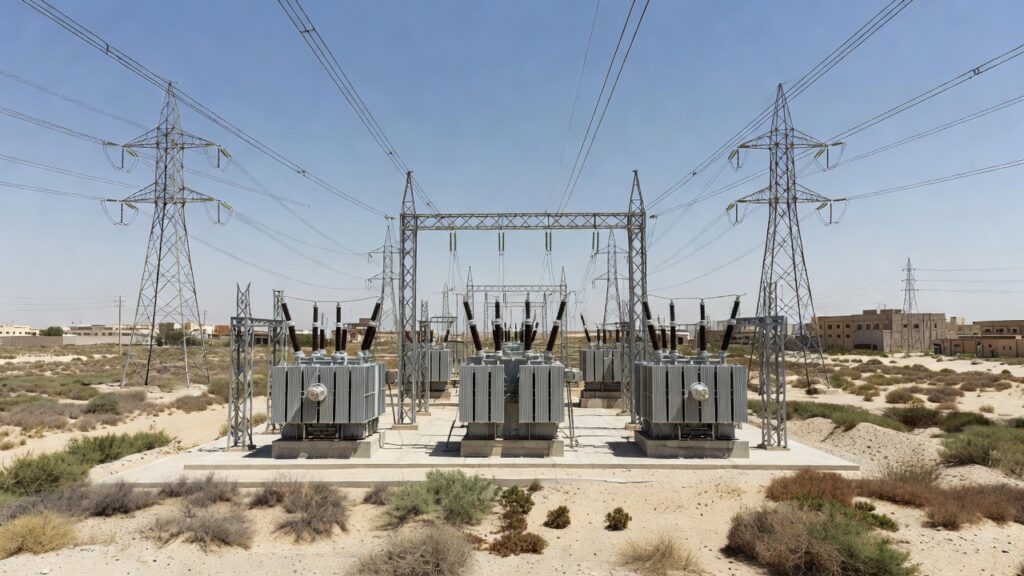
The Ministry of Electricity, Water and Renewable Energy announced that a technical fault at the Fahaheel Main Conversion Station resulted in a power outage affecting a limited section of Al-Fahaheel on August 14, 2026. Emergency teams were immediately deployed to the location to address the issue and restore service, according to the ministry statement. The outage remained confined to a small portion of the southern Kuwait district rather than spreading across broader residential zones. Officials indicated that work was progressing on site without providing a specific restoration timeline.
According to the ministry the incident prompted an expression of thanks to local residents for their understanding and cooperation during the disruption. The statement emphasised ongoing efforts by repair crews to resolve the fault efficiently and minimise inconvenience. Similar messages have accompanied other recent technical issues as the authority manages grid reliability amid seasonal pressures.
The ministry had restored power to all affected residential areas in a July 2026 episode after several overhead transmission lines went out of service, a Reuters dispatch from that period reported. In that event teams followed an approved emergency plan to re-feed districts from the wider electricity grid and determine underlying causes. The July outages had impacted scattered locations across the country before full service resumed within hours in most cases.
Kuwait is advancing infrastructure upgrades to handle summer peak loads with installation work progressing faster than scheduled, a PowerGen Advancement analysis published in July 2026 found. The efforts focus on bolstering grid stability as annual demand continues to climb in line with population growth and urban expansion. Such measures form part of longer-term planning by the ministry to reduce the frequency of technical interruptions.
A Kuwait Times article citing a 2025 study noted that cooling systems account for the single largest share of national electricity consumption in a climate where summer temperatures routinely exceed 40 degrees Celsius. The report highlighted how air-conditioning loads place substantial strain on generating capacity and transmission networks during peak afternoon hours. These patterns have prompted the ministry to issue periodic public appeals for rationalised usage throughout the warmer months.
The ministry maintains dedicated emergency contact points including a Fahaheel-specific line to handle resident reports during outages, its published directory shows. Teams operate under standing protocols designed to isolate faults quickly and reroute supply where possible. This latest event occurs against a backdrop of sustained high demand that the authority has monitored closely through the current summer season.