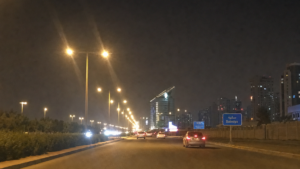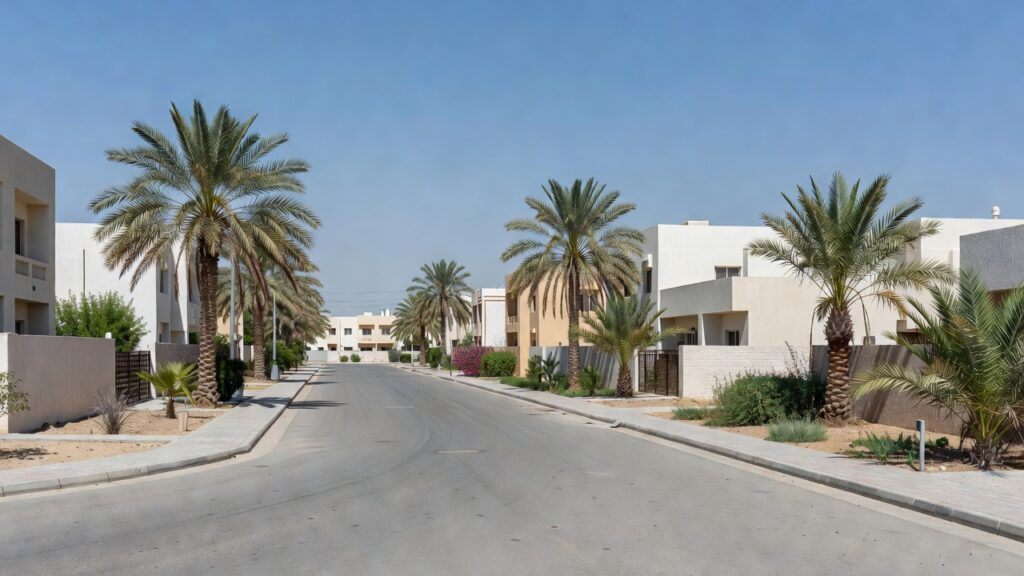
The two men had been conducting their thefts for some time by targeting residences left empty by their occupants, according to the security source who spoke to Al-Anba newspaper. They gathered the stolen copper before selling it through local scrap channels to generate illegal income. Jleeb investigators acted on information about the activity and took the pair into custody at the scene. The suspects were transferred to competent authorities for full legal processing following the bust.
This case forms part of a pattern of copper and cable thefts that have prompted repeated security sweeps across Kuwait in 2026. The Ministry of Interior detailed an August operation in Jleeb Al-Shuyoukh that led to 45 arrests tied to thefts of electrical cables, copper, iron and vehicle parts. Of those detained in the campaign, 36 faced prior absconding warrants while nine others were linked directly to the property crimes, the ministry stated.
Earlier actions by the General Department of Criminal Investigation targeted larger organized rings. In July the department dismantled a gang that stole around 400 tons of marine cables belonging to the Kuwait Oil Company, with an estimated value of 420,000 Kuwaiti dinars, according to an official ministry post. The operation recovered substantial cash, gold items and a vehicle purchased with proceeds from the sales, the ministry added.
Copper theft remains a persistent challenge for authorities because of the metal’s high resale value in unregulated scrap markets. Security officials have responded with intensified patrols and surveillance of known high-risk zones including transformer sites and vacant properties. The Directorate General of Criminal Investigation has coordinated with state companies to trace stolen materials and prevent their circulation, ministry figures show.
The latest Jleeb arrests highlight ongoing vigilance in Farwaniya governorate where multiple similar incidents have been recorded this year. Al-Anba reported that the two Asian men exploited the temporary vacancy of homes to avoid immediate detection during their operations. Investigators continue to examine whether the pair formed part of a wider network active in the district.
Kuwait’s interior ministry has framed such campaigns as essential to safeguarding both private property and critical infrastructure from organized theft. Data from earlier 2026 operations indicate that recovered items often include tools designed specifically for cutting cables, which are seized alongside the stolen goods. All cases are referred to the public prosecution for further action under laws covering theft and illicit trade.