The Supreme Committee for Civil Defense convened its periodic session under the chairmanship of First Deputy Prime Minister and Minister of Interior Sheikh Fahd Yusuf Al-Sabah to track the preparedness of concerned state entities in light of current regional developments, according to a Ministry of Interior announcement. Committee members received detailed briefings on the readiness levels of military and security agencies, the status of emergency planning, food security provisions, educational continuity measures and the health sector’s inventory of medical supplies. Sheikh Fahd Al-Sabah underlined the necessity of full coordination among all government institutions to sustain the highest standards of operational readiness and ensure uninterrupted public services.
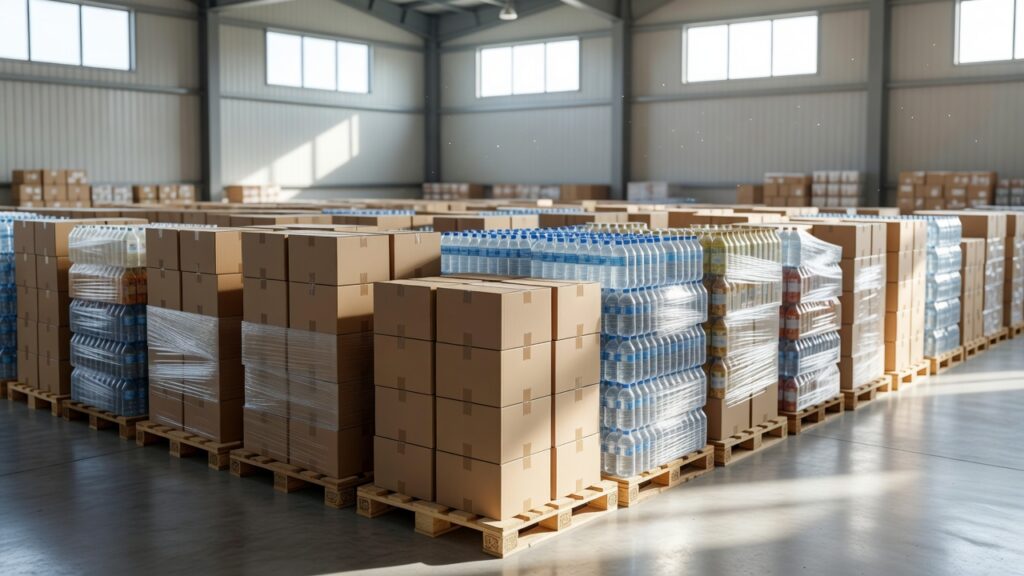
The Ministry of Social Affairs has instructed cooperative societies nationwide to maintain adequate strategic reserves of food commodities, essential consumer goods and drinking water while verifying product expiry dates and activating contingency protocols, the ministry told Al-Jarida newspaper. Officials directed the boards of all cooperative societies to confirm that both central markets and branch outlets stand prepared to respond to any emergency scenario. The directive, issued by Social Affairs Minister Dr. Amthal Al-Huwailah, requires each of the 95 designated emergency shelters to stockpile supplies sufficient for approximately 400 people, covering three daily meals.
Kuwait’s strategic food reserves have remained sufficient to cover national needs for more than six months, a level the Ministry of Commerce and Industry has consistently maintained through ongoing contracts with international suppliers and regular market inspections. The ministry’s supplies department conducts daily monitoring of retail outlets to prevent shortages, with current purchasing patterns described as normal despite external pressures. These buffers form part of a broader national strategy that includes development of a unified electronic platform for tracking food and feed imports through the General Administration of Customs.
On the military front, the Ministry of Defense inaugurated local production of the first batch of light ammunition at a newly established factory on November 4, 2026, an initiative designed to strengthen domestic defense capabilities and reduce reliance on external sources. Defense Minister Sheikh Abdullah Ali Al-Salem Al-Sabah attended the ceremony and highlighted the importance of investing in national expertise to bolster overall defense readiness. The project, overseen by the Logistics and Supply Authority, aims to create a self-sufficient industrial base capable of meeting both military and security requirements while supporting sustainable development of the defense sector.
Health authorities have aligned their stockpiling efforts with the committee’s directives, ensuring adequate reserves of critical medical supplies and pharmaceuticals as part of the national food, drug and water security framework chaired by Health Minister Dr. Ahmad Al-Awadhi. The Cabinet-level committee has advanced proposals for a comprehensive national database to monitor strategic reserves across all essential commodities, building on earlier reviews conducted in September 2025. This coordinated approach draws on both local production and diversified international sourcing to mitigate risks associated with regional supply chain disruptions.
Charity organizations will coordinate with government bodies to furnish the emergency shelters with bedding, blankets and other necessities once activated, completing the logistical chain established by the Ministry of Social Affairs. The measures reflect lessons from previous regional crises in which authorities successfully preserved market stability through pre-positioned reserves and rapid inspection regimes. All actions remain focused on protecting public safety and maintaining essential service continuity without interruption.