The Criminal Court issued the sentences against the three men after convicting them of purchasing diesel at subsidized rates reserved for local consumption and reselling it for profit in violation of regulations. The ruling included fines for each defendant though the exact amounts were not immediately detailed in the judicial summary. Investigators from the relevant security department gathered evidence showing the men operated from a site in Amghara where they stored and distributed the fuel to unauthorized buyers.
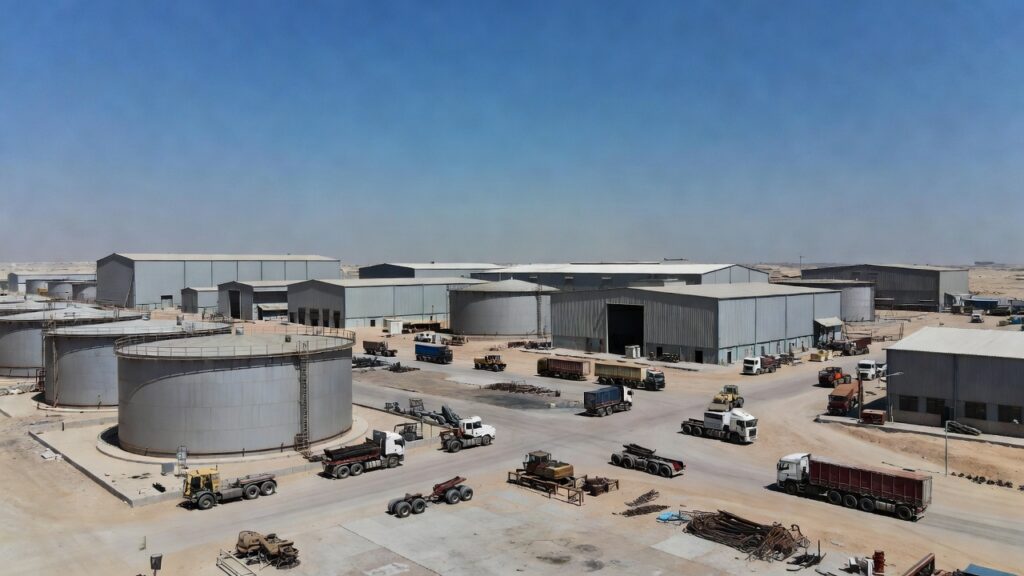
Court records indicate the case came to light during routine inspections and tip-offs about irregular fuel movements in the area, leading to the arrests and subsequent prosecution by the Public Prosecution. The three defendants had no prior convictions according to the presented files, but the court determined their actions formed part of a pattern that undermines national fuel subsidy programs. Amghara, an industrial zone known for heavy vehicle activity, has seen increased monitoring by authorities to prevent such diversions.
Kuwaiti authorities have pursued dozens of similar cases in recent years as subsidized diesel prices create incentives for illegal resale both domestically and across borders. The Ministry of Interior has reported that such activities result in significant annual losses to state resources, prompting joint operations with customs and environmental agencies to disrupt supply chains. Data from enforcement actions show that expatriate workers in transport and construction sectors feature prominently in these prosecutions.
This latest conviction aligns with a series of rulings by the Criminal Court aimed at deterring misuse of petroleum products that are sold below market value inside Kuwait. In parallel cases heard over the past 12 months, sentences have ranged from several months to multiple years depending on the scale of operations and any aggravating factors such as forgery or large volumes. The Public Prosecution typically presents evidence including transaction records, witness statements and physical samples of the diverted fuel.
Judicial officials noted that the men admitted to elements of the trade during questioning though they contested the full scope of charges before the verdict. The court rejected defense arguments that sought reduced penalties on grounds of economic hardship, emphasizing the need to uphold fuel distribution rules. Sentences handed down in such matters are often accompanied by deportation orders for non-citizens upon completion of their terms.
The Ministry of Interior has described Amghara and nearby industrial districts as focal points for enforcement because of the concentration of machinery and vehicles that consume large quantities of diesel. Coordinated raids in these zones have yielded seizures of hundreds of thousands of liters in some operations, according to periodic security briefings. These efforts form part of a wider strategy to safeguard subsidized commodities and ensure they reach intended users such as licensed fishermen, farmers and public transport operators.