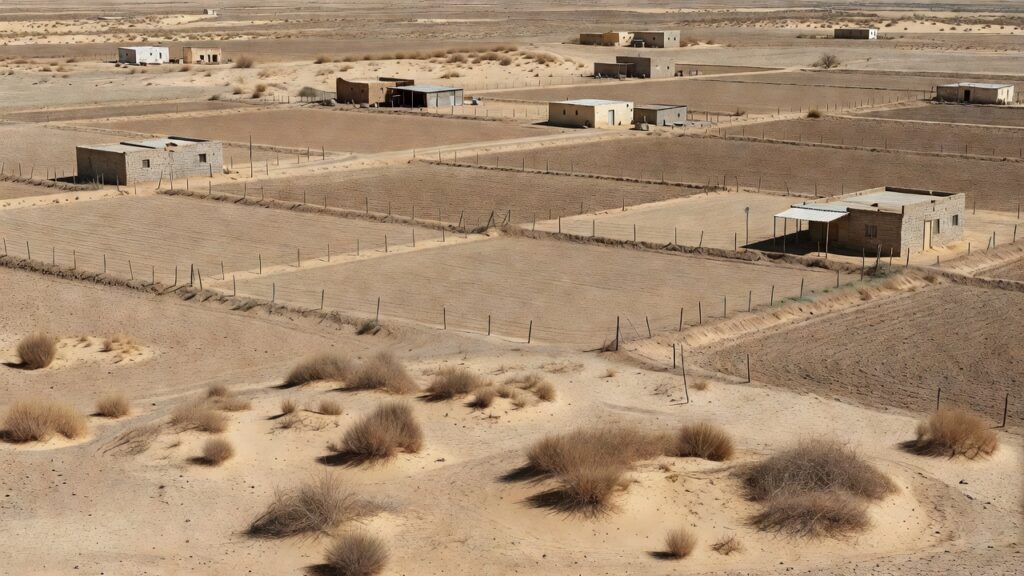
The Criminal Court issued its ruling in a case that centered on the unauthorized handling of subsidized diesel fuel, convicting the Kuwaiti defendant of both storage and sales violations at a farm location. Jahra Criminal Investigation Department officers had opened the probe after gathering intelligence on irregular fuel trading and storage activities, leading to the arrests of all five convicted individuals. The court further directed the main defendant to correct environmental breaches at the site inside a deadline set by the Environment Public Authority or cover the costs of authority-led remediation.
Two stateless Bedoun residents, one Pakistani national and one Indian national received identical one-year prison sentences and fines of KD300 each after the court found them guilty of participating in the sale of the subsidized product. The Jahra Criminal Investigation Department played the central role in building the evidence that linked the group to the illegal transactions, according to the court’s published judgment. These convictions reflect the multi-national elements frequently uncovered in subsidized-fuel cases across the country.
The same proceedings resulted in the full acquittal of a customs inspector and additional defendants originally charged with forging customs declarations to facilitate the fuel movement. Court assessment of the evidence determined that the prosecution failed to establish guilt on those specific forgery counts beyond reasonable doubt. This outcome separated the document-related allegations from the core convictions on diesel storage and sales.
Environment Public Authority guidelines formed the basis for the remediation order attached to the Kuwaiti defendant’s sentence, ensuring that any pollution or regulatory breaches at the farm would be addressed promptly. The authority retains the right to execute removal works and recover expenses directly if the deadline passes without compliance. Such integrated environmental stipulations have become standard in judicial outcomes involving illegal storage facilities.
The Ministry of Interior has documented a pattern of similar offenses in recent years, with subsidized diesel repeatedly diverted for resale at higher prices inside and outside Kuwait. Jahra Criminal Investigation Department data from comparable operations indicate that farm-based storage sites are commonly exploited in these schemes, prompting sustained enforcement drives. A separate diesel-smuggling network case resolved by the Criminal Court only weeks earlier produced seven-year sentences for a municipal employee and an Indian defendant, illustrating the range of penalties applied in this category.
Public Prosecution records tied the current matter to wider legal actions aimed at protecting state fuel subsidies that support the domestic economy. The Jahra department continues to receive and act on public tips regarding suspicious diesel movements, according to interior ministry summaries of ongoing security campaigns. These measures have produced multiple arrests and prosecutions throughout 2026, reinforcing regulatory barriers against black-market fuel activity.