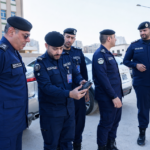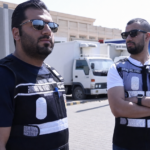
The Ministry of Interior cautioned citizens and residents, particularly those traveling, not to accept luggage, bags, parcels, containers or any items from third parties when entering or departing Kuwait. According to a ministry statement, smugglers of narcotics and psychotropic substances frequently exploit goodwill by concealing prohibited materials in such belongings and recruiting unsuspecting carriers. The ministry stressed that anyone found in possession of illegal substances faces full legal accountability regardless of their relationship to the source or explanations provided for transporting the items.
Three travelers were arrested in separate incidents upon arrival in Kuwait after customs officers discovered narcotics and psychotropic substances concealed inside medicine containers, the ministry reported. Initial investigations showed the individuals had received the packages outside the country with instructions to deliver them locally, having been told the contents were medicines. The suspects and seized materials were referred to competent authorities for prosecution while probes continue to trace connected networks.
The ministry’s statement explicitly noted that good intentions do not exempt carriers from liability, urging everyone to decline requests to transport items for others irrespective of the justifications offered. This latest alert forms part of sustained efforts to disrupt smuggling routes that target air and land borders. A separate Kuwait Times report published in January 2026 described how customs officers employ advanced technology, international intelligence sharing and targeted inspections to intercept expanding categories of smuggled goods ranging from passenger luggage to online parcels.
Customs officials interviewed by the Kuwait Times characterized narcotics interdiction as a core security function supported by specialized training and equipment at all ports of entry. The publication detailed multiple layers of checks that compare declared contents against physical inspections, particularly for pharmaceutical packaging that has emerged as a common concealment method. Such measures have intensified following repeated incidents where travelers unwittingly or otherwise facilitated the movement of controlled substances.
Earlier customs data referenced in historical reporting from the General Administration of Customs documented dozens of airport-related smuggling cases involving drugs, psychotropic pills and other contraband in a single six-month period several years ago. The ministry’s current campaign builds on that record by focusing on prevention through public awareness rather than solely relying on detection at borders. Officials continue to monitor high-risk routes and concealment techniques as part of broader anti-narcotics operations coordinated across security agencies.
Travelers are reminded that possession remains the primary legal threshold under Kuwaiti law, shifting the burden to individuals to demonstrate lack of knowledge in any prosecution. The ministry statement distributed on September 15 reinforced that no exceptions apply based on personal relationships or perceived innocence of the request. This approach aligns with regional patterns across Gulf states where similar warnings have accompanied stricter enforcement against drug trafficking networks.