The Kuwait Anti-Corruption Authority known as Nazaha has referred several former senior officials and supervisors from the Environment Public Authority to the Public Prosecution on suspicion of unintentionally causing financial loss to public funds. Nazaha detailed the step in a statement published on its official X account. The authority noted that the referrals followed its review of information received through various channels.
In the statement Nazaha confirmed that it will continue its efforts to examine gather evidence and investigate all credible and complete information it receives through any means. The authority praised the role of whistleblowers in providing essential information. It emphasized its commitment to ensuring maximum protection and confidentiality for whistleblowers in accordance with the law and its executive regulations.
Kuwait Times reported that Nazaha referred 1,035 officials ex-officials and others to the public prosecution in 2025 on suspicion of graft illegal profiteering or violations involving financial disclosures. The anti-corruption law that became effective in 2016 requires senior officials to submit such disclosures when they assume office and after leaving their posts. Kuwait Times figures show these referrals reflect the authority’s mandate to investigate reports of corruption in government departments.
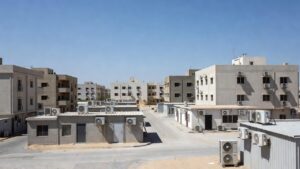
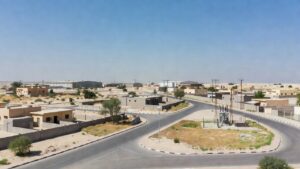
The Environment Public Authority has coordinated with the Ministry of Interior and Kuwait Municipality on enforcement campaigns in recent years. Times Kuwait quoted Sheikha Al-Ibrahim the director of public relations and media at the authority as saying that a January 2026 campaign in Al-Wafra and Arifjan detected seven environmental violations and led to the removal of non-compliant camps. Al-Ibrahim told the newspaper that the cited violations fell under articles of the Environmental Protection Law dealing with littering harmful materials and regulatory noncompliance.
Al-Qabas obtained statistics that Public Prosecution data places the number of environmental misdemeanor cases at 9,627 in 2023 after a rise from 3,585 in 2022. The newspaper reported that the increase represents a 168 percent jump and translates to an average of 26 new environmental cases received daily. Environmental matters accounted for roughly 25 percent of the prosecution’s overall caseload that year according to the same figures.
The Environmental Protection Law No. 42 of 2014 as documented by the FAOLEX database assigns the Public Prosecution exclusive competence to investigate and prosecute all offenses arising from the law and its bylaws. The legislation further states that any citizen or concerned society may resort to administrative and judicial authorities to execute its provisions. A separate Nazaha statement distributed in October 2025 reiterated that the authority will pursue all qualifying reports of corruption regardless of their origin.