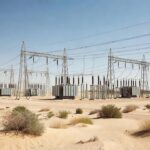
The Kuwaiti Army General Staff confirmed Wednesday that air defence systems had been deployed to confront a new barrage of missiles and drones aimed at the country, marking yet another test for the nation’s protective measures. State news agency KUNA relayed the military’s statement, which noted that warning sirens had been activated in multiple areas to alert the population. Officials emphasized that the sounds of explosions resulted from the air defense interceptions rather than any direct strikes on Kuwaiti soil, according to the announcement.
According to the General Staff’s directives, the public must follow all safety instructions provided by the relevant authorities and refrain from approaching any unidentified debris or objects that may have fallen during the operation. The military urged calm and vigilance as the interception efforts continued throughout the day. This latest alert mirrors language used in prior incidents, underscoring a standardized response protocol developed amid repeated threats over recent months.
A Reuters report from June 2 detailed a comparable event in which KUNA quoted the army on intercepting hostile missile and drone attacks without identifying the source of the threats. That statement similarly explained audible explosions as products of defensive measures and advised residents to adhere to safety guidelines while avoiding potential hazards from the engagements. The recurrence of such announcements indicates a persistent challenge for Kuwaiti security forces in the current regional climate.
A Wikipedia overview of Kuwait in the 2026 Iran war records that the country has intercepted several Iranian missiles and drones on numerous occasions since March, often without sustaining direct damage. On March 12, the electricity ministry reported that debris from the attacks had taken six power lines out of service across affected regions. Two minor injuries from falling shrapnel were documented on March 17 as a consequence of one of the interceptions over Kuwaiti territory.
Even following a ceasefire agreement between the United States and Iran in April, waves of Iranian drones continued to target vital facilities including power stations and water desalination plants, the overview stated. One such assault on April 8 resulted in major infrastructure damage despite the majority of projectiles being neutralized by Kuwaiti defenses, highlighting vulnerabilities in critical systems. Four Islamic Revolutionary Guard Corps soldiers were captured during related operations in the wider conflict, adding a ground dimension to the aerial threats.
The General Staff has not released specific figures on the number of missiles or drones involved in Wednesday’s incident or provided details on their trajectory or origin. Regional news services tracking the developments have placed this event within a larger pattern of aerial confrontations associated with the 2026 tensions. Kuwaiti authorities have maintained coordinated efforts between military units and civil defense teams to manage public safety and operational responses effectively.