Kuwait’s Cabinet approved a draft decree-law on mortgage financing during its weekly meeting on Sept. 22 under Prime Minister Sheikh Ahmad Abdullah Al-Ahmad Al-Sabah and immediately referred the proposal to the Amir for review. The legislation targets beneficiaries of state housing welfare with the goal of ensuring sustainable access to adequate homes for Kuwaiti citizens. Minister of State for Housing Affairs Abdulatif Al-Mashari announced the decision in a statement to the Kuwait News Agency following the session and described the move as essential to long-term family support.
Al-Mashari told KUNA that the draft decree-law contains 15 articles addressing the scope of application along with eligibility standards, available financing mechanisms, repayment rules and coordination among government agencies and banks. The law permits both supported and unsupported financing that applicants may combine subject to Central Bank of Kuwait oversight. Repayment would take the form of equal monthly installments with terms reaching as long as 25 years.
Eligibility for subsidized financing requires that applicants satisfy conditions set by the Kuwait Credit Bank for real estate loans intended for purchase or construction and that they have never before obtained state housing benefits. The Public Authority for Housing Welfare will implement the rules across both finished developments and projects still in progress. A Reuters report from last year indicated the government had already been preparing such a mortgage framework to expand financing options beyond direct state provision.
The new measure complements Law No. 118 of 2023 that created avenues for companies to build and economically develop residential cities as later modified by Decree-Law No. 89 of 2025 to increase flexibility and draw private investment. Government statements have positioned both laws as central elements in tackling the housing shortage that has persisted for decades. The 2025 changes allow the housing authority to form entities in varied legal structures depending on project needs while protecting committed public funding amounts once contracts are awarded.
The Public Authority for Housing Welfare figures show more than 103,000 outstanding housing applications as of mid-2025 with the total rising roughly 6.7 percent year on year according to a Kuwait Finance House analysis. Demand is projected to reach nearly 197,000 requests by 2035 as the authority has acknowledged in presentations reviewed by Reuters. Officials are restructuring the authority to shift from direct home provider to regulator while inviting greater private sector participation in construction and development.
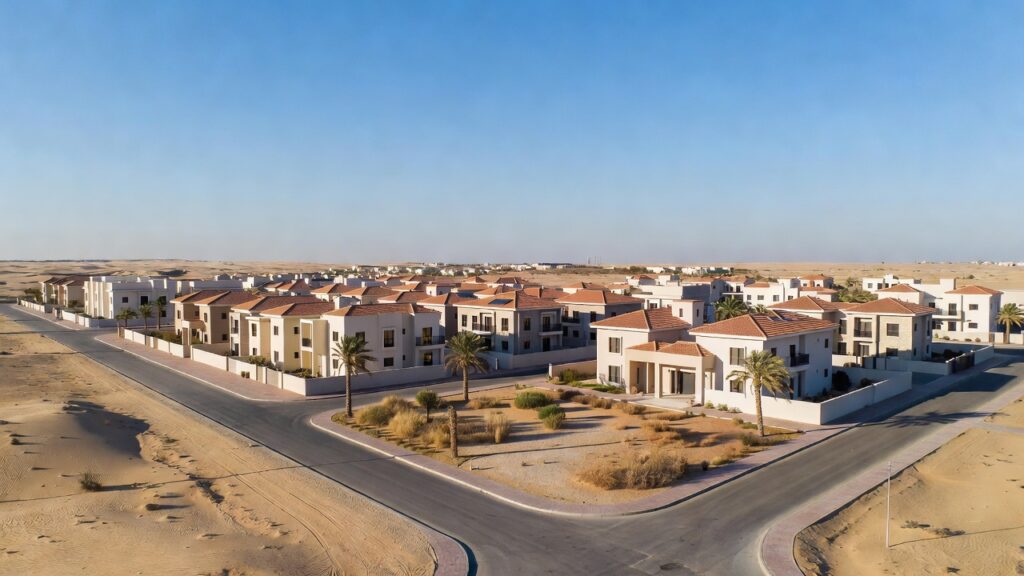
Al-Mashari has called on private developers to help close the gap between supply and demand that has left many families waiting years for housing. Major projects such as Al-Khairan, Nawaf Al-Ahmad and Al-Sabriya are planned to deliver around 185,000 units across more than 350 square kilometres the housing authority has stated. The mortgage law forms one part of this broader shift toward sustainable financing models that reduce direct government burden while maintaining constitutional commitments to citizen welfare.