The Kuwaiti Ministry of Foreign Affairs strongly denounced the Houthi militia’s attacks on Saudi airports, which it described as brazen and disgraceful actions targeting civilians and civilian facilities. In a statement, the ministry rejected these repeated hostile acts and warned that they represent a direct threat to the safety of civilians, air navigation and broader regional stability. Kuwait reiterated its full solidarity with Saudi Arabia, stressing that the kingdom’s security forms an integral part of Kuwait’s own security and that of other Gulf Cooperation Council states.
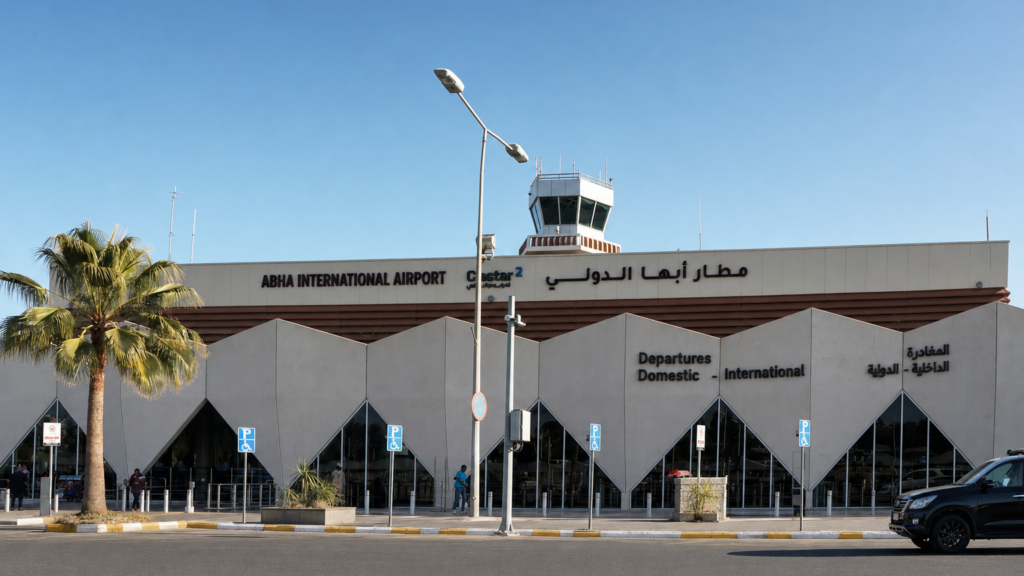
Saudi Arabia’s General Authority of Civil Aviation reported that the strikes targeted Abha International Airport and King Khalid International Airport in Riyadh on consecutive days. The Abha attack killed a Moroccan woman and an Algerian woman while injuring 28 other people, the authority’s figures show. A separate strike on the Riyadh facility killed a Sudanese national and wounded eight residents, including five Saudi citizens, according to the same assessment.
The Saudi-led coalition fighting in Yemen stated that it had intercepted a ballistic missile north of Riyadh and destroyed a launch platform in Yemen’s capital Sanaa used for the attacks. Coalition spokesman Major-General Turki al-Maliki announced that forces had targeted more than 80 Houthi military sites across several Yemeni governorates in response. The coalition described the airport strikes as violations that would not go unpunished and vowed further measures to protect civilian infrastructure.
Houthi military spokesperson Yahya Saree claimed responsibility for the operations in a public statement, saying the group had launched ballistic missiles and drones at the Saudi targets. The claims align with a pattern of increased Houthi strikes on Saudi territory amid the wider escalation of the Yemen conflict, a Reuters assessment found. Saudi civil aviation officials noted that air traffic resumed at the affected airports after initial suspensions while damage assessments continued.
Kuwait’s condemnation forms part of a broader GCC response, with the Gulf Cooperation Council Secretary-General Jassim al-Budaiwi calling such attacks on airports and civilian sites a dangerous escalation. The Kuwaiti cabinet separately reviewed the incidents during its weekly meeting and called for the international community to adopt a firm stance against the Houthis to prevent further targeting of civilian objects. Officials in Kuwait extended condolences to the families of the victims, who included nationals from multiple countries, and wished the injured a full recovery.
The attacks have compounded challenges for Saudi air travel, with several airlines adjusting schedules and foreign embassies issuing advisories to their citizens. A Saudi assessment placed the cumulative impact of recent Houthi actions on aviation infrastructure as significant, prompting enhanced security around key facilities including fuel storage areas near airports. Coalition forces reported intercepting additional projectiles aimed at Saudi cities in the days following the initial strikes.