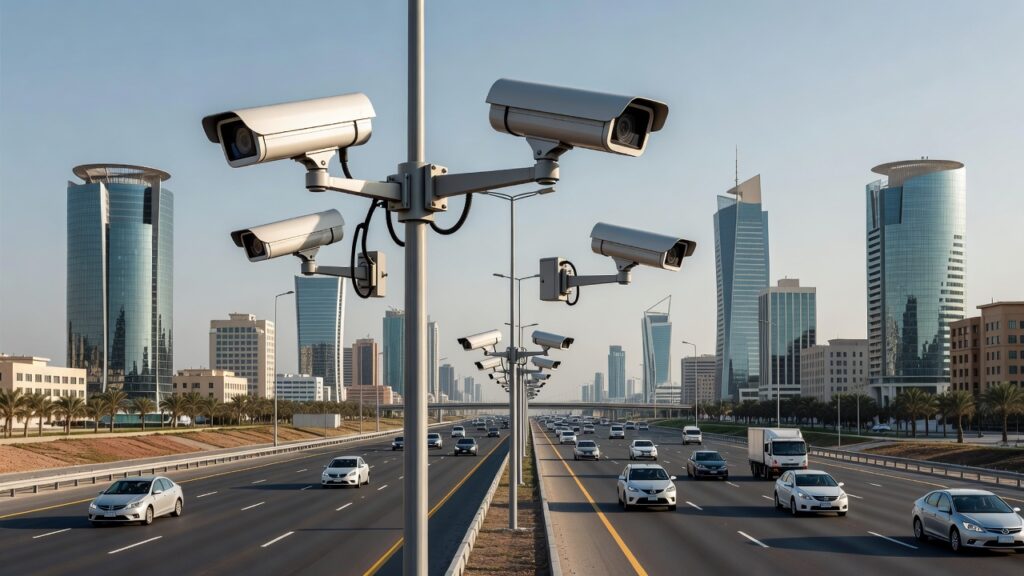
Kuwait’s Ministry of Interior said May 7 that its Human Resources and Information Technology Sector is adopting modern security technologies to strengthen the country’s security system, Arab Times reported. The upgrades provide integrated technical and human support to field departments for faster coordination, improved efficiency, higher readiness and better responses to various security requirements.
The ministry’s statement detailed how the Human Resources and Information Technology Sector works to equip all field departments with the necessary tools and personnel, according to Arab Times. This integration seeks to minimize response times in security incidents and optimize resource allocation throughout the organization. Higher levels of preparedness result from these coordinated efforts, the ministry indicated in the May 7 update. Officials within the ministry framed the changes as essential to maintaining effective operations amid evolving demands.
A market intelligence report by the U.S. Department of Commerce in July 2025 outlined the ministry’s ongoing adoption of AI, IoT and big data for real-time policing and crime prevention. The report listed body-worn cameras, facial recognition, predictive policing and license plate recognition among the technologies in focus. Installation of 252 AI-powered traffic surveillance cameras began in November 2024 as part of this push, the document noted. These tools support centralized command through C4i centers for improved incident management.
The ministry maintains a biometric fingerprint system that covers around 16 million individuals, a 2025 organizational restructuring review found. This system streamlines identity verification processes across government agencies and supports the newer security technologies. Additionally, the Sahel app has facilitated over 30.8 million transactions for 37 electronic services, enhancing overall administrative efficiency, the review showed. Such digital infrastructure reduces delays in routine security-related processing.
Kuwait maintains a low crime threat environment in its capital, the U.S. Overseas Security Advisory Council stated in its country security report. The assessment highlighted that police response to assistance requests is generally effective, with the emergency number 112 serving as the primary contact point. These technology upgrades build upon the ministry’s 2025 security plan that emphasized digital and legal reforms to support tourism and investment, Kuwait Times reported in July 2025.
The Security Systems Department of the ministry is responsible for setting classifications and technical specifications for security devices including cameras, monitoring systems and detection equipment, according to the official MOI website. Ministerial resolutions such as 2319-2025 have updated these standards to align with current technological capabilities. This ensures that all implemented solutions meet the requirements for reliable performance in operational settings. The department also oversees related fenders, gates and detection systems.
In April 2026, the ministry expressed keenness to build an integrated technological system to boost performance across security operations, Times Kuwait reported. The projects covered both current implementations and future expansions aimed at speeding up procedures. The May announcement on technology adoption fits within this continuous development trajectory for the interior ministry.