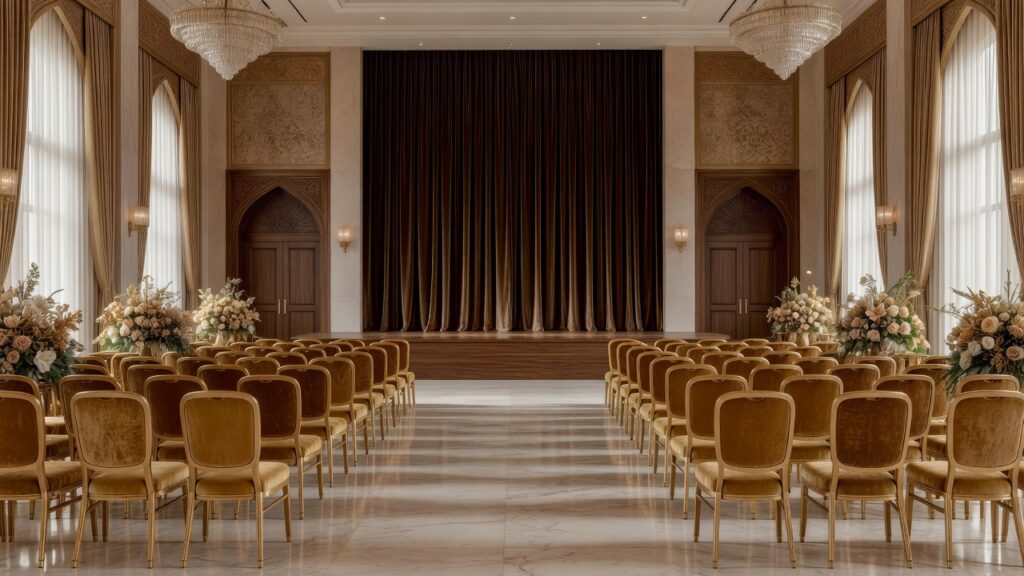
Kuwait’s Ministry of Interior announced on April 23, 2026, that it would permit the resumption of weddings, parties and theatrical performances beginning April 24 after reviewing and determining that security conditions had improved. The announcement lifts the temporary ban that had been placed on these activities under an earlier Statement No. 11, which was introduced to curb large gatherings during a time of heightened regional tensions. The ministry said the decision was designed to balance the return of social activities with the maintenance of public safety.
In its statement the interior ministry explained that the step followed an evaluation of the existing situation and the prevailing stability across the country and region. It affirmed that relevant authorities would sustain their monitoring of security indicators and stand ready to introduce further actions if circumstances warranted such intervention. The public received a call to extend complete cooperation to security personnel in order to facilitate the orderly return of these long-suspended events. The ministry further noted that any necessary enforcement measures would be applied to ensure continued stability during the resumed activities.
The ban under Statement No. 11 had been activated in mid-March 2026 ahead of the Eid al-Fitr celebrations according to contemporaneous reports from Kuwait Times. That earlier directive had prohibited concerts in addition to weddings and plays in an effort to minimize risks associated with mass assemblies amid ongoing security concerns. Comparable restrictions at the time extended to boating, desert camping and various outdoor events as precautionary steps detailed in a Lexis Middle East summary of the interior ministry’s directives. Officials had urged citizens and residents to forgo organizing such gatherings until a fresh assessment could be completed.
A Grand View Research assessment of the Middle East event management market valued the sector at 34.47 billion dollars in 2024 with a projection of growth to 63.44 billion dollars by 2033 at a compound annual rate of 7.1 percent. Kuwait is included in the report’s country scope together with fellow GCC members where weddings and social functions contribute meaningfully to economic activity in hospitality and services. The lifting of the ban is therefore expected to provide relief to operators in the events industry who had encountered reduced demand since the March restrictions took effect. The sector’s expansion trajectory underscores the importance of consistent policy conditions for sustained growth.
Theatrical performances and plays hold a special place in Kuwait’s cultural calendar and their return aligns with the ministry’s determination that conditions now support such assemblies. Arab Times coverage of the announcement indicated that the decision applies to both public and private events provided they adhere to all regulatory requirements. The ministry did not issue additional specific guidelines in the April 23 statement beyond the general call for cooperation and vigilance. Local reporting highlighted how the reversal would allow families and communities to recommence traditions that had been paused for weeks.
This decision comes after a series of security-related announcements from the interior ministry throughout the first half of 2026 that have alternated between caution and normalization depending on assessed threats. Reports from regional media including accounts affiliated with Kuwaiti news entities amplified the latest update to reach a broad audience of citizens and expatriates. The interior ministry maintains a regular channel for such communications through its official platforms to keep the population informed of adjustments in policy.