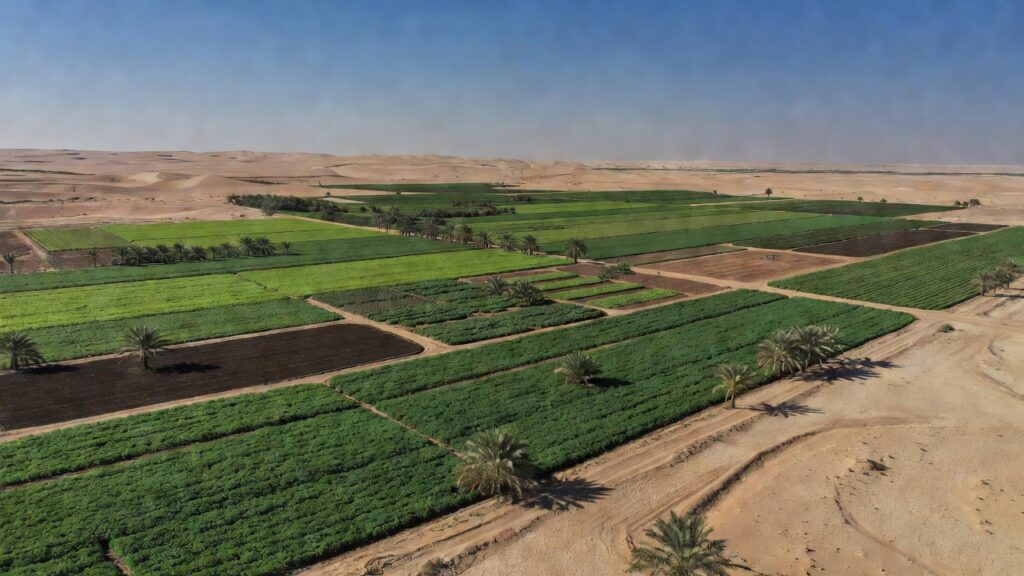
The Public Prosecution announced the referral of 71 defendants to the Criminal Court after completing an investigation into widespread manipulation of procedures for agricultural holdings and plots managed by the Public Authority for Agriculture Affairs and Fish Resources. According to a statement from the prosecution, the accused encompass public employees in leadership and supervisory posts, staff from other government bodies, 28 legal entities tied to private commercial firms and additional individuals who profited from the scheme. The case centers on the alleged trading of usufruct rights over state-owned agricultural land, which prosecutors say diverted official processes from their intended purpose of supporting farming activities.
Prosecutors detailed that the defendants, each according to their role, committed offenses including bribery, intentional damage to public funds via breaches of duty, forgery and use of official documents, participation through agreement and assistance, money laundering, illicit enrichment and linked crimes. The statement placed the total value of funds and benefits obtained through these actions at 8,662,296 dinars. Investigations established that the scheme involved improper allocation and trading of holdings meant to serve public agricultural interests rather than private gain.
The probe, registered as case 153 of 2026 for money laundering and filed under number 16 of 2026 with the criminal investigation department, began after information reached the Public Prosecution and subsequent inquiries uncovered the irregularities. Kuwait Times reported that the inquiry drew on reports from the Anti-Corruption Authority and the financial intelligence unit in addition to a submission from the agriculture authority itself. This coordinated input allowed investigators to map the full scope of alleged participation across public and private actors.
Public Authority for Agriculture Affairs and Fish Resources data submitted during the probe highlighted how procedures intended to regulate holdings and livestock plots had been subverted over an extended period. The authority’s systems track thousands of such allocations intended to bolster domestic food production and livestock rearing in a country where agriculture forms a strategic but limited component of the economy. Prosecutors noted that the evidence gathered demonstrated clear deviation from mandated uses, resulting in substantial financial harm to state resources.
The Public Prosecution stated that it pursued the case as part of its mandate to safeguard public money, protect state interests and enforce the rule of law. Its statement, issued on August 31, confirmed that all evidence had been collected, responsibilities assigned and sufficient grounds established for trial on the full range of charges. The referral consolidates years of accumulated findings into a single major proceeding before the Criminal Court.
Earlier stages of the same investigation saw the prosecution form dedicated teams and take preliminary detention measures against multiple suspects, according to contemporaneous accounts published by Al Jarida and Al Anba. Those steps, which included arrests reported in the first half of 2026, laid the groundwork for the comprehensive file now heading to trial. The agriculture authority has faced similar scrutiny in past years over allocation practices, prompting repeated reviews aimed at tightening oversight of public land resources.