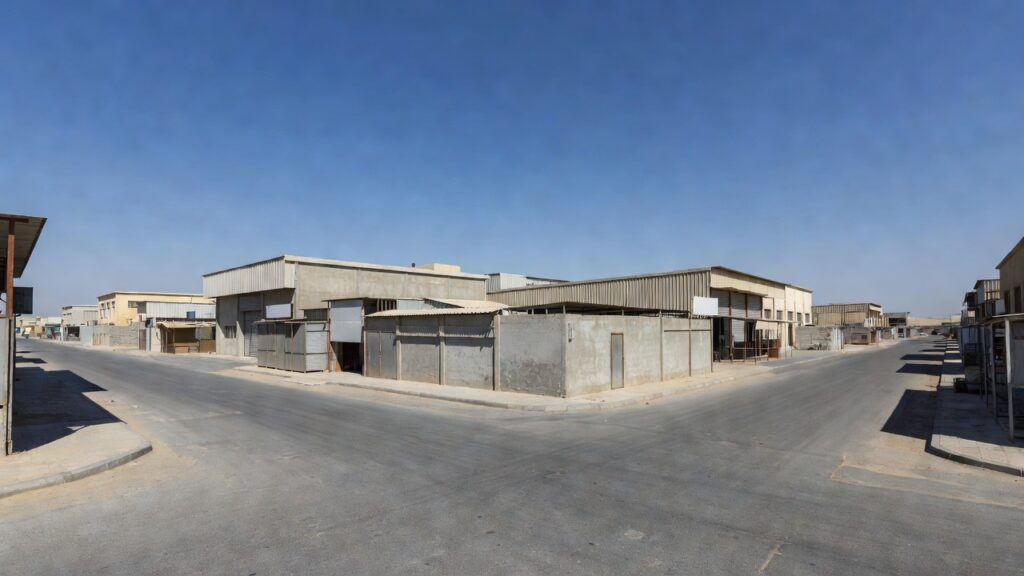
According to the Ministry of Interior, specialized teams from the General Department of Criminal Investigation and the Residence Affairs Investigation Department, working alongside the Public Authority for Manpower, carried out the campaign in the industrial area and commercial markets of Fahaheel. The operation targeted individuals suspected of breaching various provisions of the residency and labor regulations that govern the large expatriate workforce. Officials processed the cases immediately after the detentions to ensure swift administrative handling.
The ministry’s breakdown of the arrests listed 36 violators under Article 18, 30 under Article 20, six absconding workers under Article 20 who had outstanding warrants, one person under Article 14 and one under Article 22. These categories cover different types of infractions ranging from improper sponsorship to failure to maintain valid work permits. The precise accounting confirms the overall total of 74 individuals taken into custody during the Monday operation.
Similar initiatives have yielded significant results in other parts of the country, with one campaign in the Shuwaikh Industrial Area leading to 48 detentions as announced by the ministry. A broader series of inspections across multiple governorates resulted in 258 arrests for comparable violations, according to separate ministry releases. Such repeated actions demonstrate the sustained focus on enforcement in zones with heavy commercial activity.
The ministry has reported that over 21,000 violators of residency and labor laws have been apprehended since the beginning of the year through these systematic campaigns. This cumulative number highlights the scale of regulatory oversight applied to the expatriate community, which makes up the majority of Kuwait’s private sector employees. Data from these operations help authorities identify patterns and adjust strategies accordingly.
All 74 individuals from the Fahaheel campaign underwent the required legal and administrative measures before their files were referred to the competent authorities for prosecution where applicable. The collaboration between security departments and manpower officials allows for thorough verification of both immigration status and employment authorization in the field. This integrated methodology has become standard in the ministry’s approach to upholding national labor laws.
The Residence Affairs Investigation Department continues to lead many of these field inspections, often uncovering multiple violations during single visits to industrial facilities and marketplaces. In Fahaheel, the targeted locations were selected based on intelligence regarding potential concentrations of irregular workers. Follow-up investigations may reveal additional linked cases stemming from the initial arrests.