Al-Seyassah daily reported that Fahad Faris Al-Jarba’s meeting with Ahmed Al-Jarallah, the editor-in-chief of Al-Seyassah and Arab Times newspapers and dean of Kuwaiti journalism, focused on a detailed scientific and historical file about the Red Palace supported by English-language documents. The researcher posted on his X account that the discussions from last year produced a significant international response. This exchange has advanced Kuwait’s efforts to nominate the palace, with Al-Jarba noting that the prepared materials have reinforced the official submission file. He voiced hope that the process will result in the site’s eventual inscription on the World Heritage List.
The researcher’s account included the observation that talks with Al-Jarallah ignited UNESCO interest in the palace and its historical value. Al-Jarba has worked extensively on related documentation as part of broader initiatives tied to the Red Palace Rehabilitation and Restoration Project. According to local coverage from October 2025, Al-Jarallah had praised Al-Jarba for his contributions to recording Kuwait’s national narrative through such archival work.
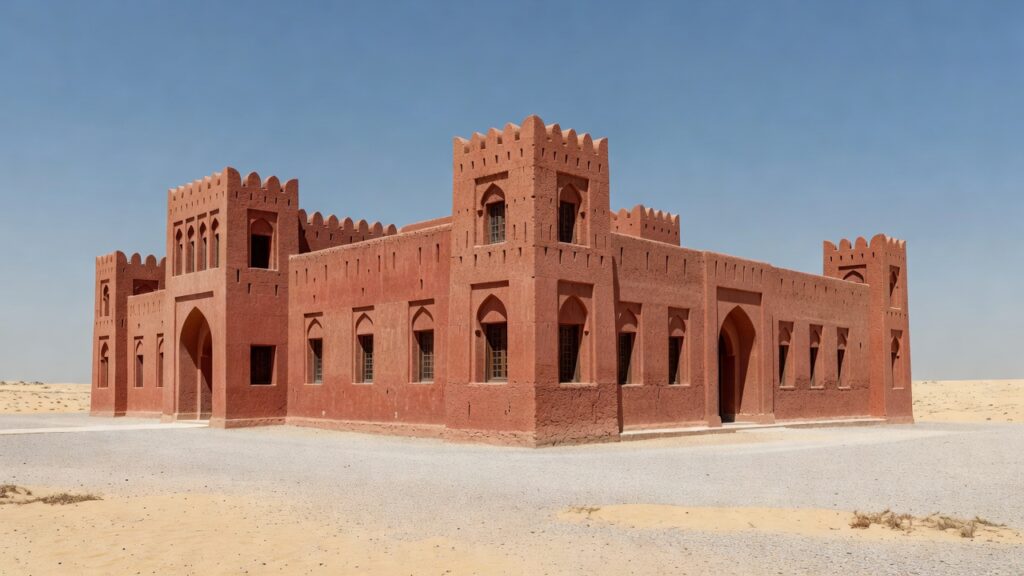
UNESCO World Heritage Centre records show that Kuwait currently lists five properties on its tentative list but maintains zero inscriptions on the main World Heritage List. The Sheikh Abdullah Al-Jabir Palace, widely known as the Red Palace for its distinctive red clay construction, was added to that tentative list in February 2015 under cultural criteria. The site once hosted the Arabian Gulf region’s first national museum after its selection by Kuwaiti authorities for that purpose.
Kuwait secured election to the UNESCO World Heritage Committee in December 2025, a step that official announcements framed as strengthening the country’s voice in global heritage governance. The committee role aligns with ongoing work to develop nomination files that meet international standards for documentation and preservation planning. Al-Jarba’s compiled files, which address historical context and scientific assessments, fit within this framework for advancing the Red Palace case.
The Red Palace stands as a symbol of pre-oil Kuwaiti architecture and was constructed using traditional methods in the early 20th century. Its historical functions included serving as a family residence before the museum transition, underscoring its place in national development narratives. Experts involved in heritage efforts have pointed to the potential for inscription to support increased preservation resources and cultural tourism at the location.
Al-Jarba indicated that continued engagement with UNESCO could move the nomination through upcoming evaluation cycles. The documents reviewed in the meeting with Al-Jarallah have helped address requirements for demonstrating outstanding universal value. Further coordination between researchers, journalists and national cultural bodies is expected to sustain progress on the file.