KPTA’s September activities connected public awareness with a multidisciplinary stroke forum, highlighting the role of rehabilitation in returning to everyday life.
Recovery from a stroke or heart condition does not end when the immediate medical crisis has passed. It continues in the activities that determine daily independence: moving around, returning to familiar routines and participating in family and working life. Kuwait’s physiotherapy community placed that wider view of recovery at the centre of its September 2026 programme.
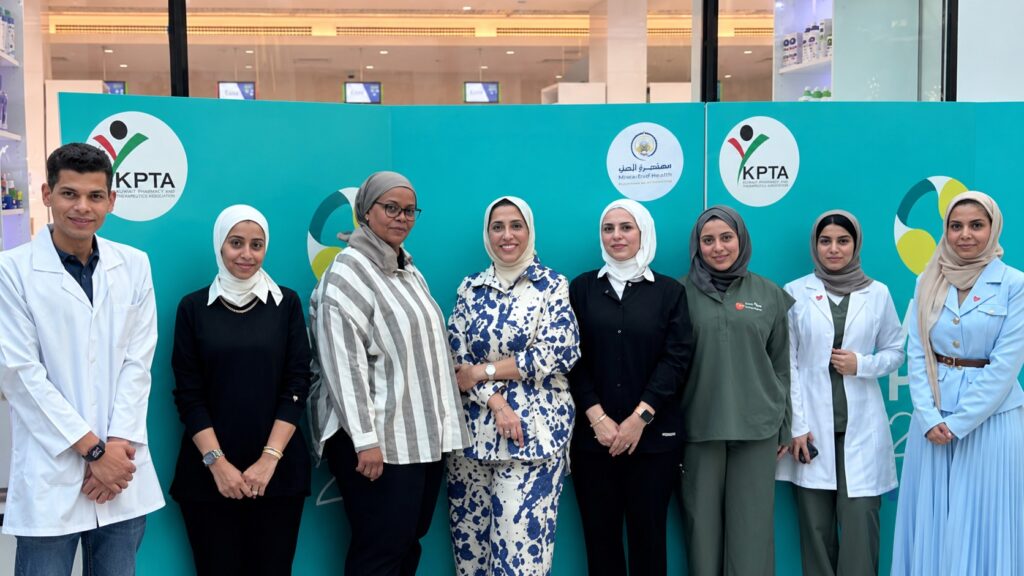
An account published by World Physiotherapy records public and professional activities organised by the Kuwaiti Physical Therapy Association around cardiovascular disease and stroke. They included awareness activities for hospital visitors and patients, as well as a scientific forum bringing different health professions into one discussion.
The significance is the connection between those two audiences. Patients and families need to understand why rehabilitation matters. Professionals need to coordinate the care through which it is delivered. The programme addressed both, placing physiotherapy within a broader treatment pathway rather than presenting it as a service used only after a sporting injury.
A wider understanding of recovery
The public event included educational, screening and interactive activities, according to the published account. The scientific forum on stroke management brought together physicians, physiotherapists, occupational therapists, speech therapists and students. The organisers described the programme as supporting awareness and professional collaboration, rather than reporting measured changes in health outcomes.
That range of disciplines reflects the different functions that can be affected after a stroke. A single episode of illness may create several needs at once, and the professions involved address different parts of the person’s recovery. The presence of several disciplines at a forum does not establish how every service is organised, but it makes the intended collaboration explicit.
It also gives public communication a more accurate focus. Recovery is not a single milestone that can always be captured by discharge from hospital. It is a process whose significance is visible in what a person can do afterwards, and in the support required to regain or adapt those abilities.
A substantial global need
The World Health Organization estimates that 2.4 billion people worldwide live with a condition that may benefit from rehabilitation. It describes rehabilitation as part of universal health coverage and as relevant across ages and a broad range of conditions. The figure is global and should not be read as an estimate for Kuwait.
The breadth matters because rehabilitation is sometimes understood as a narrow final stage of treatment. WHO’s framework instead connects it with functioning, independence and participation. It can accompany other care and address the consequences of both acute and chronic conditions.
In practical terms, this changes the question a health system asks about success. Treating the underlying disease is essential, but the person’s ability to return to daily activities is another meaningful outcome. The two are connected without being identical, and a complete account of care needs to recognise both.
Prevention and rehabilitation meet through movement
Physical activity is also part of the wider cardiovascular conversation. WHO’s 2024 overview reported that 31% of adults globally were not meeting recommended activity levels, based on 2022 estimates. It identifies regular activity as relevant to preventing and managing several noncommunicable diseases.
Those population-level recommendations are different from an individual rehabilitation prescription. A person recovering from a cardiac event or stroke may need an assessed and supported programme. Public messaging therefore has to connect the value of movement with the need for care appropriate to the person’s condition.
The American Heart Association’s cardiac rehabilitation guidance describes benefits that can include reducing the risk of a subsequent cardiac event, managing stress and improving energy for everyday activities. This is international clinical context, not evidence that a particular Kuwaiti programme has delivered those outcomes or that every patient has the same eligibility.
The distinction between a campaign and a service also matters. An awareness event can help people recognise that rehabilitation exists and understand its purpose. It does not, on its own, describe appointment capacity, referral arrangements or the duration of treatment. Those are separate subjects for health-service reporting. Keeping them separate makes it possible to recognise the educational work while reserving claims about access and patient outcomes for the evidence that measures them.
The profession behind the public message
World Physiotherapy’s Kuwait member profile records 585 association members in its 2024 reporting and estimates 1,500 practising physiotherapists in the country. These numbers describe different groups: membership of the association and the wider practising workforce. They should not be treated as interchangeable or presented as a newly conducted 2026 census.
The figures give scale to the professional community behind an awareness campaign. They also explain why communication and professional development are related activities. A public message can introduce the role of physiotherapy, while education and collaboration concern the practitioners who deliver it in different clinical settings.
For families, the useful message is not that every recovery follows the same course. It is that questions about movement, function and independence belong within the care conversation. For professionals, the September forum made space for those questions to be considered across disciplines rather than within one specialty alone.
KPTA’s documented programme brings that relationship into view. Its public event explained why rehabilitation matters, while the stroke forum focused on the knowledge and cooperation behind it. The common subject was what happens beyond the hospital bed, where the effects of treatment are experienced through the routines of daily life.